100% Translated
14% Upvoted
1 Translations, 1 Upvotes, Last Activity 5 months ago
1 Translations, 1 Upvotes, Last Activity 5 months ago
1 Translations, 1 Upvotes, Last Activity 5 months ago
1 Translations, 1 Upvotes, Last Activity 5 months ago
1 Translations, 1 Upvotes, Last Activity 5 months ago
1 Translations, 0 Upvotes, Last Activity 5 months, 1 week ago
1 Translations, 0 Upvotes, Last Activity 5 months, 1 week ago
1 Translations, 0 Upvotes, Last Activity 5 months, 1 week ago
1 Translations, 0 Upvotes, Last Activity 5 months, 1 week ago
1 Translations, 0 Upvotes, Last Activity 5 months, 1 week ago
1 Translations, 0 Upvotes, Last Activity 5 months, 1 week ago
1 Translations, 0 Upvotes, Last Activity 5 months, 1 week ago
1 Translations, 0 Upvotes, Last Activity 5 months, 1 week ago
1 Translations, 0 Upvotes, Last Activity 5 months, 1 week ago
1 Translations, 0 Upvotes, Last Activity 5 months, 1 week ago
1 Translations, 0 Upvotes, Last Activity 5 months, 1 week ago
1 Translations, 0 Upvotes, Last Activity 5 months, 1 week ago
1 Translations, 0 Upvotes, Last Activity 5 months, 1 week ago
1 Translations, 0 Upvotes, Last Activity 5 months, 1 week ago
1 Translations, 0 Upvotes, Last Activity 5 months, 1 week ago
1 Translations, 0 Upvotes, Last Activity 5 months, 1 week ago
1 Translations, 0 Upvotes, Last Activity 5 months ago
1 Translations, 0 Upvotes, Last Activity 5 months ago
1 Translations, 0 Upvotes, Last Activity 5 months ago
1 Translations, 0 Upvotes, Last Activity 5 months ago
1 Translations, 0 Upvotes, Last Activity 5 months ago
1 Translations, 0 Upvotes, Last Activity 5 months ago
1 Translations, 0 Upvotes, Last Activity 5 months ago
1 Translations, 0 Upvotes, Last Activity 5 months ago
1 Translations, 0 Upvotes, Last Activity 5 months ago
1 Translations, 0 Upvotes, Last Activity 5 months ago
1 Translations, 0 Upvotes, Last Activity 5 months ago
1 Translations, 0 Upvotes, Last Activity 5 months ago
1 Translations, 0 Upvotes, Last Activity 5 months ago
1 Translations, 0 Upvotes, Last Activity 5 months ago
1 Translations, 0 Upvotes, Last Activity 5 months ago
1 Translations, 0 Upvotes, Last Activity 5 months ago
1 Translations, 0 Upvotes, Last Activity 5 months ago
1 Translations, 0 Upvotes, Last Activity 5 months ago
1 Translations, 0 Upvotes, Last Activity 5 months ago
1 Translations, 0 Upvotes, Last Activity 5 months ago
1 Translations, 0 Upvotes, Last Activity 5 months ago
1 Translations, 0 Upvotes, Last Activity 5 months ago
1 Translations, 0 Upvotes, Last Activity 5 months ago
1 Translations, 0 Upvotes, Last Activity 5 months ago
1 Translations, 0 Upvotes, Last Activity 5 months ago
1 Translations, 0 Upvotes, Last Activity 5 months ago
Is Nederland wel klaar voor de zelfrijdende auto? ‘Als de bestuurder de klappen moet opvangen, belandt de mens in een morele kreukelzone’.
Tesla mag de weg op met een rijhulpsysteem waarbij de bestuurder alleen in geval van nood hoeft in te grijpen. Maar wie is verantwoordelijk als het misgaat? ‘Zelfrijdende auto’s bestaan niet’.
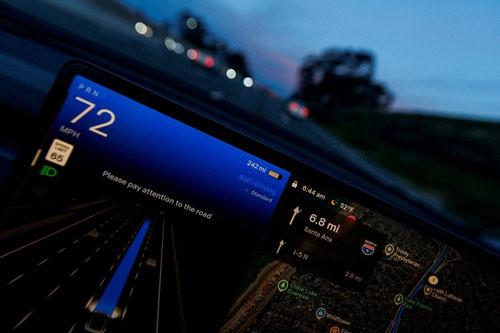
Foto - In Nederland zijn Tesla’s met een Full Self-Driving systeem nu toegestaan. Bron Foto Reuters.
Door Joost van Velzen, redacteur vervoer, transport en retail, Trouw, 13 april 2026.
Let goed op de bestuurders van Tesla’s binnenkort. Het kan zomaar zijn dat ze de handen van het stuur hebben terwijl ze voorbij razen. Gevaarlijk? De RDW, de voormalige Rijksdienst voor het Wegverkeer, vindt van niet. De dienst heeft goedkeuring gegeven aan het rijhulpsysteem van autofabrikant Tesla. Met dit zogeheten Full Self-Driving systeem (FSD) hoeft de automobilist de handen alleen nog in de buurt van het stuur houden. Voor het geval dat.
Het roept de vraag op wie er verantwoordelijk is als er zich zo’n ‘geval dat’ aandient. Stel, de ‘half-zelfrijdende’ Tesla maakt brokken, wie moet er dan aansprakelijk worden gesteld? Dat is de menselijke bestuurder, stelt de RDW en daar gaat ook autoverzekeraar Allianz Direct vanuit. ‘De aansprakelijkheid ligt bij de bestuurder als er iets misgaat. Onze huidige verzekeringsproducten zijn hierop afgestemd’, mailt de verzekeraar. ‘We blijven echter in gesprek met relevante partijen en passen onze producten mogelijk aan wanneer de regelgeving of technologie verandert’.
Maatschappij is er nog niet klaar voor.
Dat de technologie voor autonoom rijdende personenauto’s zich in rap tempo ontwikkelt, staat vast. Er zijn vijf gradaties in zelfstandig rijden. Bij level 1 kan een voertuig het een beetje zelf af, bij level 5 hoeft er zelfs geen bestuurder meer achter de hand te worden gehouden. Het nu door de RDW goedgekeurde Tesla-systeem valt onder level 2, maar autofabrikanten (waaronder ook Tesla) zijn inmiddels aardig op weg naar niveau 4 en 5.
En eigenlijk is de maatschappij daar nog helemaal niet klaar voor, zegt Kars Alfrink van de TU Delft. Hij is onderzoeker betwistbare kunstmatige intelligentie en houdt zich onder meer bezig met de vraag wie er aan het stuur zit als het aankomt op verantwoordelijkheid: mens of machine? Aan zowel de technologie als de automobilist zijn risico’s verbonden, zegt Alfrink. “Het gaat er niet alleen om wie je kunt aanwijzen, maar of de samenleving de mogelijkheid heeft om het systeem bij te sturen als het niet werkt zoals het zou moeten”.
Dat is in het geval van het nu goedgekeurde rijhulpsysteem van Tesla eigenlijk al ingewikkeld, constateert Alfrink. Het idee is dat het systeem het stuur als het ware ‘teruggeeft’ aan de automobilist wanneer er iets misgaat met de techniek. “De vraag is dan of het wel fair is om juist bij ernstige storingen, problemen, of in ieder geval urgente situaties de auto weer ‘terug’ te geven aan de mens?”
Tegenstrijdige signalen.
Met andere woorden: het merk van Musk vindt het prima om zelf te sturen; maar als de wagen in de problemen komt, dan zoekt de bestuurder het zelf maar uit. Als de bestuurder alle klappen moet opvangen, dan komt de mens in een ‘morele kreukelzone’ terecht, wordt weleens gezegd in het vakgebied van Alfrink.
Het doet de onderzoeker denken aan het ongeluk met Air France vlucht 447. Het vliegtuig stortte in de zomer van 2009 in de Atlantische Oceaan toen de automatische piloot afsloeg. Niet doordat de piloten slecht waren, maar doordat het systeem hun in een onmogelijke positie bracht: na lang probleemloos vliegen op de automatische piloot moesten zij plotseling de controle overnemen in een crisissituatie, terwijl het systeem hen overspoelde met tegenstrijdige signalen. Gevolg: 228 doden.
“Zulke situaties dreigen ook op de weg”, waarschuwt Alfrink. “Hoe langer het systeem van auto’s goed rijdt, hoe minder alert de bestuurder wordt”.
Autoverzekeraar Allianz Direct – en met hen ongetwijfeld alle andere verzekeraars – heeft geen plan klaarliggen voor als auto’s helemaal autonoom rijden zonder de achtervang van een bestuurder: “Hoe hiermee wordt omgegaan, valt en staat met toekomstige wet- en regelgeving. Op dit moment is het nog te vroeg om concrete uitspraken te doen over hoe dit de verzekeringswereld zal beïnvloeden”, verklaart Allianz Direct.
Zwarte doos.
We moeten als de bliksem anders leren denken, vindt Alfrink. Eigenlijk zouden we ervan uit moeten gaan dat een zelfrijdende auto helemaal niet bestaat, suggereert hij. “De hele technologie waarop autonoom rijden drijft, is product van menselijk handelen. De bestuurder is niet de enige betrokkene als er iets misgaat, ook de ingenieurs van de automerken die de systemen ontwikkelen en monitoren, en toezichthouders als de RDW, die ze goedkeuren”.
Alfrink voorziet dat het antwoord op de vraag wie verantwoordelijk is wijst in de richting van wat hij noemt ‘herleidbaarheid’. Zorg dat automerken hun data delen, zodat de oorzaak van ongelukken kan worden achterhaald, adviseert hij. Dat gebeurt nu onvoldoende: een fabrikant als Tesla behandelt rijdata als bedrijfsgeheim, waardoor het na een ongeluk vaak onduidelijk blijft wat het systeem precies deed en waarom.
“Fabrikanten profiteren ervan dat wij de wegen openstellen voor hun zelfrijdende voertuigen. Maak dan als tegenprestatie ten minste een zwarte doos met data beschikbaar voor ieder voertuig”.
https://www.trouw.nl/duurzaamheid-economie/is-nederland-wel-klaar-voor-de-zelfrijdende-auto-als-de-bestuurder-de-klappen-moet-opvangen-belandt-de-mens-in-een-morele-kreukelzone~b4727575/