100% Translated
61% Upvoted
1 Translations, 1 Upvotes, Last Activity 11 months ago
1 Translations, 1 Upvotes, Last Activity 11 months, 1 week ago
1 Translations, 1 Upvotes, Last Activity 11 months, 1 week ago
1 Translations, 1 Upvotes, Last Activity 11 months, 1 week ago
1 Translations, 1 Upvotes, Last Activity 11 months, 1 week ago
1 Translations, 1 Upvotes, Last Activity 11 months, 1 week ago
1 Translations, 1 Upvotes, Last Activity 11 months, 1 week ago
1 Translations, 1 Upvotes, Last Activity 11 months, 1 week ago
1 Translations, 1 Upvotes, Last Activity 11 months, 1 week ago
1 Translations, 1 Upvotes, Last Activity 11 months, 1 week ago
1 Translations, 1 Upvotes, Last Activity 11 months, 1 week ago
1 Translations, 1 Upvotes, Last Activity 11 months, 1 week ago
1 Translations, 1 Upvotes, Last Activity 11 months, 1 week ago
1 Translations, 1 Upvotes, Last Activity 11 months, 1 week ago
1 Translations, 1 Upvotes, Last Activity 11 months, 1 week ago
1 Translations, 1 Upvotes, Last Activity 11 months, 1 week ago
1 Translations, 1 Upvotes, Last Activity 11 months, 1 week ago
1 Translations, 1 Upvotes, Last Activity 11 months, 1 week ago
1 Translations, 1 Upvotes, Last Activity 11 months, 1 week ago
1 Translations, 1 Upvotes, Last Activity 11 months, 1 week ago
1 Translations, 1 Upvotes, Last Activity 11 months, 1 week ago
1 Translations, 1 Upvotes, Last Activity 11 months, 1 week ago
1 Translations, 1 Upvotes, Last Activity 11 months, 1 week ago
1 Translations, 1 Upvotes, Last Activity 11 months, 1 week ago
1 Translations, 1 Upvotes, Last Activity 11 months, 1 week ago
1 Translations, 1 Upvotes, Last Activity 11 months, 1 week ago
1 Translations, 1 Upvotes, Last Activity 11 months, 1 week ago
1 Translations, 1 Upvotes, Last Activity 11 months, 1 week ago
1 Translations, 1 Upvotes, Last Activity 11 months, 1 week ago
1 Translations, 1 Upvotes, Last Activity 11 months, 1 week ago
1 Translations, 1 Upvotes, Last Activity 11 months, 1 week ago
1 Translations, 1 Upvotes, Last Activity 11 months, 1 week ago
1 Translations, 1 Upvotes, Last Activity 11 months, 1 week ago
1 Translations, 1 Upvotes, Last Activity 11 months, 1 week ago
1 Translations, 1 Upvotes, Last Activity 11 months, 1 week ago
1 Translations, 1 Upvotes, Last Activity 11 months, 1 week ago
1 Translations, 1 Upvotes, Last Activity 11 months, 1 week ago
1 Translations, 1 Upvotes, Last Activity 11 months, 1 week ago
1 Translations, 1 Upvotes, Last Activity 11 months, 1 week ago
1 Translations, 1 Upvotes, Last Activity 11 months, 1 week ago
1 Translations, 1 Upvotes, Last Activity 11 months, 1 week ago
1 Translations, 1 Upvotes, Last Activity 11 months, 1 week ago
2 Translations, 2 Upvotes, Last Activity 11 months, 1 week ago
1 Translations, 1 Upvotes, Last Activity 11 months ago
1 Translations, 1 Upvotes, Last Activity 11 months ago
1 Translations, 1 Upvotes, Last Activity 11 months ago
2 Translations, 1 Upvotes, Last Activity 11 months ago
1 Translations, 1 Upvotes, Last Activity 11 months ago
1 Translations, 1 Upvotes, Last Activity 11 months ago
1 Translations, 1 Upvotes, Last Activity 11 months ago
1 Translations, 1 Upvotes, Last Activity 11 months ago
1 Translations, 1 Upvotes, Last Activity 11 months ago
1 Translations, 1 Upvotes, Last Activity 11 months ago
2 Translations, 1 Upvotes, Last Activity 11 months ago
1 Translations, 1 Upvotes, Last Activity 11 months ago
1 Translations, 1 Upvotes, Last Activity 11 months ago
1 Translations, 1 Upvotes, Last Activity 11 months ago
1 Translations, 1 Upvotes, Last Activity 11 months ago
1 Translations, 1 Upvotes, Last Activity 11 months ago
1 Translations, 1 Upvotes, Last Activity 11 months ago
1 Translations, 1 Upvotes, Last Activity 11 months ago
1 Translations, 0 Upvotes, Last Activity 11 months ago
1 Translations, 0 Upvotes, Last Activity 11 months ago
1 Translations, 0 Upvotes, Last Activity 11 months ago
1 Translations, 0 Upvotes, Last Activity 11 months ago
1 Translations, 0 Upvotes, Last Activity 11 months ago
1 Translations, 0 Upvotes, Last Activity 11 months ago
1 Translations, 0 Upvotes, Last Activity 11 months ago
1 Translations, 0 Upvotes, Last Activity 11 months ago
1 Translations, 0 Upvotes, Last Activity 11 months ago
1 Translations, 0 Upvotes, Last Activity 11 months ago
1 Translations, 0 Upvotes, Last Activity 11 months ago
1 Translations, 0 Upvotes, Last Activity 11 months ago
1 Translations, 0 Upvotes, Last Activity 11 months ago
1 Translations, 0 Upvotes, Last Activity 11 months ago
1 Translations, 0 Upvotes, Last Activity 11 months ago
1 Translations, 0 Upvotes, Last Activity 11 months ago
1 Translations, 0 Upvotes, Last Activity 11 months ago
1 Translations, 0 Upvotes, Last Activity 11 months ago
1 Translations, 0 Upvotes, Last Activity 11 months ago
1 Translations, 0 Upvotes, Last Activity 11 months ago
1 Translations, 0 Upvotes, Last Activity 11 months ago
1 Translations, 0 Upvotes, Last Activity 11 months ago
1 Translations, 0 Upvotes, Last Activity 11 months ago
1 Translations, 0 Upvotes, Last Activity 11 months ago
1 Translations, 0 Upvotes, Last Activity 11 months ago
1 Translations, 0 Upvotes, Last Activity 11 months ago
1 Translations, 0 Upvotes, Last Activity 11 months ago
1 Translations, 0 Upvotes, Last Activity 11 months ago
1 Translations, 0 Upvotes, Last Activity 11 months ago
1 Translations, 0 Upvotes, Last Activity 11 months ago
1 Translations, 0 Upvotes, Last Activity 11 months ago
1 Translations, 0 Upvotes, Last Activity 11 months ago
1 Translations, 0 Upvotes, Last Activity 11 months ago
1 Translations, 0 Upvotes, Last Activity 11 months ago
1 Translations, 0 Upvotes, Last Activity 11 months ago
1 Translations, 0 Upvotes, Last Activity 11 months ago
Jerry Afriyie: na vijftien jaar is de strijd tegen Zwarte Piet voltooid.
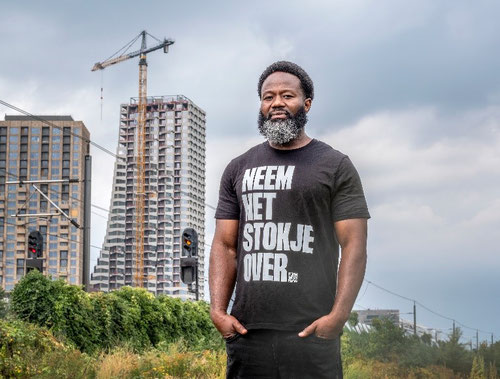
Foto - Jerry Afriyie: ‘Ik kan met vertrouwen zeggen dat de doelen die we onszelf gesteld hebben, behaald zijn’. Bron Patrick Post.
Mensenrechtenactivist Jerry Afriyie ziet zijn missie als volbracht. In aanloop naar Sinterklaas blikt hij terug op vijftien jaar actie en verandering.
Door Gatool Katawazi, Trouw, 29 augustus 2025.
Jerry Afriyie leeft al vijftien jaar toe naar één datum: 5 december 2025. De dag waarop hij zijn stichting Nederland Wordt Beter kan opheffen.
“We stoppen niet, we zijn klaar”, zegt dichter en mensenrechtenactivist Afriyie (44). “Want ik kan met vertrouwen zeggen dat de doelen die we onszelf gesteld hebben, dan behaald zijn.” Dat Zwarte Piet verdwijnt, het slavernijverleden op school wordt onderwezen en de afschaffing van de slavernij nationaal en waardig wordt herdacht.
Afriyie werd vooral bekend door zijn protest tegen Zwarte Piet. Vijftien jaar geleden was die karikatuur nog onlosmakelijk verbonden met Sinterklaas: hij danste op schoolpleinen, verscheen in het Sinterklaasjournaal en poseerde op cadeaupapier.
Jarenlang trokken Afriyie en het team van Nederland Wordt Beter en Kick Out Zwarte Piet naar Sinterklaasintochten door het hele land. Gemeente na gemeente gaf gehoor en verruilde Zwarte Piet voor een roetveegpiet. Langzaam maar zeker verschoof de publieke opinie over hoe racistisch de figuur was.
Quote van Jerry Afriyie: ‘Tuurlijk zijn er nog plekken waar Zwarte Piet tijdens Sinterklaas te zien is’, Jerry Afriyie.
Maar die verandering kwam niet zonder prijs. Afriyie verloor zijn baan en kon rekenen op bedreigingen, arrestaties en geweld. Andere betrokkenen kwamen thuis te zitten met burn-outs en werden eveneens bedreigd. “Vooral zwarte mensen in de beweging vielen uit, omdat zij harder zijn aangepakt.”
Vrijdag kondigde hij tijdens het festival Into the Great Wide Open aan dat Nederland Wordt Beter na 5 december het werk neerlegt. In aanloop daarnaar toe blikt Afriyie vanuit zijn kantoor in de Amsterdamse Bijlmer terug op de afgelopen vijftien jaar.
U hebt veel meegemaakt in die vijftien jaar. Had u dit allemaal verwacht toen u begon?
“Ja. Ik denk dat ik van ons allemaal het meest voorbereid was. Sinds mijn achttiende verdiepte ik me in activisme van andere zwarte bewegingen wereldwijd. Ik voelde me toen vaak alleen en hopeloos, bijna depressief. Ik zag zoveel onrecht om me heen en dacht dat ik er weinig tegen kon doen.”
Afriyie is geboren in Ghana, maar verhuisde op jonge leeftijd naar Nederland. Eerst naar Utrecht, later naar de Bijlmer, een buurt met een grote zwarte gemeenschap en destijds hoge armoedecijfers.
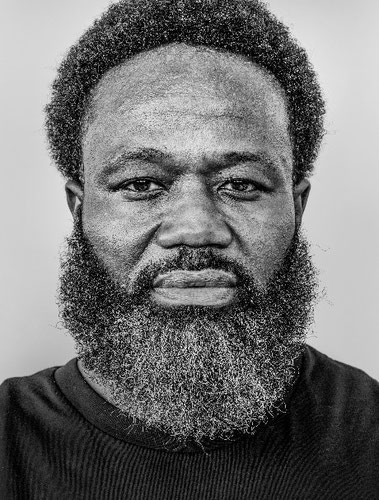
Foto - Jerry Afriyie: ‘Ik deed dit niet omdat het leuk was, maar omdat het nodig was’. Bron Patrick Post.
“Ik wilde iets doen, impactvol zijn. Ik zag mijn buurvrouw struggelen, en wilde meer doen dan eenmalig boodschappen langsbrengen. Er waren zoveel achterstanden in de wijk en er was weinig vertrouwen in het eigen kunnen. Ik wist dat daar een beweging voor nodig was. Dus verdiepte ik me in de strijders die ons voorgingen. Ik keek vooral naar wat er misging: veel activisten zijn vermoord, draaiden door of hun groepen werden ontmanteld. Ik wilde begrijpen wat ze anders hadden kunnen doen om te voorkomen dat hun beweging stukliep.
“Daardoor wist ik wat ons te wachten stond. Geen zwarte persoon bereikte iets belangrijks zonder een hoge prijs te betalen. In welk land ook, als je zo’n grote verandering vraagt van het land, kan je dit verwachten. Vooral als je een zwart persoon bent. Wat Nederland uniek maakt, is dat het doet alsof het onschuldig is, en daarom slecht naar kritiek luistert.”
Hoe zou u de reactie op jullie kritiek omschrijven?
“Wij legden bloot dat ook in Nederland, net als in andere landen, racisme voorkomt. De reacties die wij kregen, legden juist weer de positie van zwarte mensen in Nederland bloot. Kritiek van zwarte mensen, of mensen van kleur, wordt minder snel getolereerd dan kritiek van witte mensen.”
Wanneer kwamen die reacties het meest aan het licht? Wat waren dieptepunten?
“Een dieptepunt was in 2016 in Rotterdam.”
Bij de landelijke intocht in Maassluis dat jaar werden activisten van Kick Out Zwarte Piet onderweg in Rotterdam tegengehouden. Daar greep de politie in en arresteerde zo’n tweehonderd demonstranten.
“Mijn gezicht was opgezwollen van de klappen van politieagenten, bij anderen zijn de dreads uit hun hoofd getrokken. Het was allemaal zo bruut en gewelddadig.”
Quote van Jerry Afriyie: ‘Geen zwarte persoon bereikte iets belangrijks zonder een hoge prijs te betalen’, Jerry Afriyie.
“Dit waren momenten waarop veel mensen uit ons team, vooral zwarte mensen, stopten.”
Twijfelde u toen zelf te stoppen?
“Nee, nooit. Al moest ik kruipend vooruit, ik zou het doen. Er was niks dat iemand zou kunnen doen waardoor ik zou stoppen. Ik moest wel op mijn veiligheid letten. Ik kondigde niet van tevoren aan waar ik zou zijn. Soms moest beveiliging mee, of soms maakte ik mezelf onherkenbaar. Maar stoppen was geen optie, dat zou voelen als doodgaan.”
Was dat een bewuste keuze, om er op die manier in te stappen?
“Die discussie heb ik vaak gehad in mijn relatie. Het was geen keuze. Als ik de keuze had, zou ik dit niet doen. Als iemand een pistool tegen je hoofd zet en zegt: of je leven, of je doet wat ik zeg. Maak je dan een keuze? Of word je tot iets gedwongen? Niemand heeft een pistool tegen mijn hoofd gezet, maar ik woon wel in een samenleving waarin zwarte mensen als derderangsburgers worden behandeld.
“Ik had een doel. En om dat te verwezenlijken, moet je bereid zijn alles op te offeren.”
Daar staat u om bekend bij andere activisten: hoe doelgericht u te werk gaat, en ook dat u met iedereen wilt praten. Heeft dat met elkaar te maken?
“Zeker. Toen we in 2011 met de campagne ‘Zwarte Piet is racisme’ begonnen, gingen we overal de straat op: treinstations, rijen voor festivals, drukke pleinen. Mensen kwamen vaak naar ons toe om te zeggen dat ze het niet eens waren. Sommigen schreeuwden of scholden, maar we hadden tenminste een gesprek. Ik heb liever dat we tegen elkaar schreeuwen, dan dat we niet praten.
Quote van Jerry Afriyie: ‘Praten deed ik altijd, zelfs met mensen die ons aanvielen of agenten die me mishandelden’, Jerry Afriyie.
“Die eerste jaren ging het vooral om kwantiteit: zoveel mogelijk mensen laten weten dat Zwarte Piet racisme is. We waren tactisch: we spraken niet alleen over racisme, maar zeiden bijvoorbeeld dat Zwarte Piet geen goede promotie is voor Nederland in het buitenland.
“Dat praten deed ik altijd, zelfs met mensen die ons aanvielen of agenten die mij mishandelden. Ik zat daar alleen omdat het wat bijdroeg aan het verwijderen van Zwarte Piet. Ik ga ook niet in gesprek als het ons niet dichter bij ons doel brengt.” Bron Patrick Post.
U bent ook kritisch geweest op berichtgeving in de media. Waar stoorde u zich het meeste aan?
“Als je als zwart persoon racisme aankaart, spreek je alle witte mensen aan, van links tot rechts. Ook journalisten. Sommige media vielen ons aan, zoals De Telegraaf, dat is te verwachten. Maar andere kranten zoals NRC, het Parool, deden alsof het geweld tegen ons nauwelijks bestond. Tijdens protesten werd bijvoorbeeld constant gesuggereerd dat er ‘twee kampen’ vochten, terwijl wij vreedzaam demonstreerden en werden aangevallen.
“In Staphorst gooiden mensen vuurwerk en benzine naar ons en probeerden ze onze auto’s te saboteren, maar in de krant stond dat we slechts geïntimideerd werden. Het laat zien dat als je zwart bent en strijdt, je vaak alleen staat tegenover een massa die je moet overtuigen. Veel zwarte Nederlanders stoppen daarom.”
Nu gaat u ook stoppen, of zoals u het zelf zegt: ik ben klaar. Hoe voelt dat?
“Ik kan niet wachten. Vanaf dag één keek ik uit naar dit jaar. Ik deed dit niet omdat het leuk was, maar omdat het nodig was. Nu kan ik eindelijk balans zoeken in mijn leven. Al die jaren deed ik niks voor mezelf. Mijn familie heb ik…”, hij zwijgt even, “ik was er niet voor ze wanneer het nodig was, want dit was te belangrijk.
“De zwarte gemeenschap had een succes nodig. Ik hoop dat mensen hierdoor geloven dat, ongeacht waar we staan in de samenleving, hoe uitzichtloos het soms ook lijkt, ook wij recht hebben op artikel 1 van de grondwet. En dat het mogelijk is om zelf iets te doen aan onze omstandigheden.
“Tuurlijk zijn er nog plekken waar Zwarte Piet tijdens Sinterklaas te zien is. Maar wie daar nu nog voor kiest, maakt een statement tegen verandering. Ze kunnen niet zeggen dat ze nooit gehoord hebben dat Zwarte Piet voor veel mensen racistisch is. Je kunt mensen die doen alsof ze slapen niet wakker maken.”
Wat gaat u tot die tijd nog doen?
“Voorlopig nog heel veel werken. We sluiten het project met evenveel kabaal af als waarmee we begonnen. We trappen dit weekend af op Into the Great Wide Open in Friesland. We lanceren ook educatiematerialen voor scholen, organiseren een eindreceptie in het Internationaal Theater Amsterdam en we sluiten op 5 december af met een eindfeest in de Melkweg. Waar ik vooral naar uitkijk is een expositie die door het land reist, onder andere naar Leeuwarden.”
Bij een protest in 2017 tegen Zwarte Piet werd een bus met Afriyie en andere activisten geblokkeerd door een groep Friezen, die bekend kwamen te staan als de ‘blokkeerfriezen’. “Weet je, sommige liefdes beginnen grof, en uiteindelijk ontstaat er iets moois. Misschien zoek ik daarom die toenadering juist op bij Friesland.”
“Uiteindelijk willen we het stokje doorgeven aan de samenleving. Wij zeggen: bescherm onze successen, en bouw daarop voort. We lanceerden deze week de website neemhetstokjeover.nl, waarop mensen acties kunnen aanmelden. Bijvoorbeeld een bakker die brood bakt voor mensen met een kleine portemonnee, of een arts die meer wil doen voor ongedocumenteerden.
Vindt u het niet spannend om te stoppen terwijl radicale en populistische politieke partijen groeien?
“Nee. Ons werk staat los van het politieke discours. Ik geloof hierin, omdat ik weet dat Nederland dit aan kan. In een land vol creativiteit en innovatie kunnen we ook normaal tegen elkaar doen. Ik focus liever op mijn buren dan op de politiek. Ik heb daarom meer met de blokkeerfriezen of de mensen die Zwarte Piet weigeren los te laten, dan met politici.”
https://www.trouw.nl/binnenland/jerry-afriyie-na-vijftien-jaar-is-de-strijd-tegen-zwarte-piet-voltooid~b847e7ed/