100% Translated
100% Upvoted
2 Translations, 2 Upvotes, Last Activity 2 years, 7 months ago
1 Translations, 1 Upvotes, Last Activity 2 years, 7 months ago
1 Translations, 1 Upvotes, Last Activity 2 years, 7 months ago
1 Translations, 1 Upvotes, Last Activity 2 years, 7 months ago
1 Translations, 1 Upvotes, Last Activity 2 years, 7 months ago
1 Translations, 1 Upvotes, Last Activity 2 years, 7 months ago
2 Translations, 1 Upvotes, Last Activity 2 years, 7 months ago
1 Translations, 1 Upvotes, Last Activity 2 years, 7 months ago
1 Translations, 1 Upvotes, Last Activity 2 years, 7 months ago
1 Translations, 1 Upvotes, Last Activity 2 years, 7 months ago
1 Translations, 1 Upvotes, Last Activity 2 years, 7 months ago
1 Translations, 1 Upvotes, Last Activity 2 years, 7 months ago
1 Translations, 1 Upvotes, Last Activity 2 years, 7 months ago
1 Translations, 1 Upvotes, Last Activity 2 years, 7 months ago
1 Translations, 1 Upvotes, Last Activity 2 years, 7 months ago
1 Translations, 1 Upvotes, Last Activity 2 years, 7 months ago
1 Translations, 1 Upvotes, Last Activity 2 years, 7 months ago
1 Translations, 1 Upvotes, Last Activity 2 years, 7 months ago
1 Translations, 1 Upvotes, Last Activity 2 years, 7 months ago
1 Translations, 1 Upvotes, Last Activity 2 years, 7 months ago
1 Translations, 1 Upvotes, Last Activity 2 years, 7 months ago
1 Translations, 1 Upvotes, Last Activity 2 years, 7 months ago
1 Translations, 1 Upvotes, Last Activity 2 years, 7 months ago
1 Translations, 1 Upvotes, Last Activity 2 years, 7 months ago
1 Translations, 1 Upvotes, Last Activity 2 years, 7 months ago
1 Translations, 1 Upvotes, Last Activity 2 years, 7 months ago
1 Translations, 1 Upvotes, Last Activity 2 years, 7 months ago
1 Translations, 1 Upvotes, Last Activity 2 years, 7 months ago
2 Translations, 2 Upvotes, Last Activity 2 years, 7 months ago
1 Translations, 1 Upvotes, Last Activity 2 years, 7 months ago
1 Translations, 1 Upvotes, Last Activity 2 years, 7 months ago
Valentijnsdag is een berg onzin met een Oudnederlandse kern.
Romantiek en nonsens Zelfs Nederlanders die op 14 februari Valentijnsdag vieren, vinden het ‘commerciële onzin’. Maar olla vogala zijn nestjes begonnen...
Door Paul Steenhuis, 11 februari 2024.
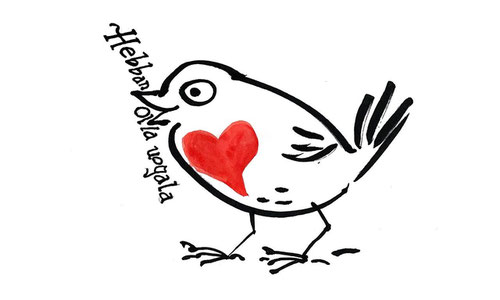
Illustratie Paul Steenhuis.
Verwarring en verdeeldheid over Valentijnsdag blijven heersen in Nederland. Woensdag 14 februari is het weer zover: de dag waarop je geacht wordt je geliefde of dierbare(n) een attentie te geven of een liefdesgroet te sturen. Valentijnsdag is in Nederland een jonge feestdag, pas rond 1950 door de Nederlandse bloemenhandel als ‘dag van de vriendschap’ geïntroduceerd naar Amerikaans Valentine’s Day-voorbeeld. Het werd een commercieel succes: een op de drie Nederlanders doet er aan, volgens een onderzoek uit 2020 van Motivaction, vooral vrouwen en jongeren.
Opmerkelijk is dat bijna de helft van de Valentijnsdagdeelnemers (46 procent) de feestdag zelf ook „commerciële onzin” vindt, aldus de onderzoekers. Het grappige is dat Valentijnsdag inderdaad een berg onzin bevat, ook commerciëel, maar toch in een heel oude, ook Nederlandse, liefdesgroettraditie past.
Geen christelijke Valentijnsdag.
Om met de berg onzin te beginnen: er is geen christelijke Sint Valentijnsdag. De katholieke kerk voerde die naamdag in 1969 af van de heiligenkalender, omdat er te weinig bekend was over alle heiligen die Valentijn heetten. Dat er in de middeleeuwen een kloosterbroeder Valentijn zou zijn geweest die bloemen aan geliefden uitdeelde, is een marketingverzinsel.
Het was de 14de-eeuwse Britse dichter Geoffrey Chaucer (bekend van The Canterbury Tales) die voor het eerst een verband legde tussen romantische liefde en ‘Volantynys day’, omdat op die dag ‘iedere vogel zijn partner kiest’. Dat was waarschijnlijk niet 14 februari, want lang niet alle vogels nestelen dan al. Chaucer doelde mogelijk op 3 mei, waarop een Genuaanse Valentijn geëerd werd. De koudere 14de februari werd pas later Valentijns naamdag. Middeleeuwse Britten probeerden op die dag huwbaren op het platteland te koppelen. Dat ging met lootjes. Ook werden er kleine cadeautjes en briefjes uitgewisseld. Dat groeide uit tot de romantische Britse en Amerikaanse traditie vanValentine’s Day.
Vogels, nestjes en liefde.
Maar die koppeling tussen vogels en nestje bouwen en de romantische liefde kennen wij ook: als het Oudnederlandse zinnetje Hebban olla vogala nestas hagunnan hinase hi(c) (e)nda thu uuat unbidan uue nu (Alle vogels zijn nesten begonnen, behalve ik en jij, waar wachten we nog op). Die Valentijnsachtige zin uit 1100, gevonden in een kloosterboek in Engeland, geldt als het begin van de Nederlandse literatuur. Het zijn regels uit een volksliedje dat volgens letterkundige Frits van Oostrom past in een rijke liefdesgroettraditie, die waarschijnlijk de vrouwelijke poëziestem vertegenwoordigt.
Het zinnetje Hebban olla vogala sluit volgens hem aan bij een lange, aanvankelijk mondelinge, universele traditie van liefdespoëzie vanuit vrouwelijk perspectief, waarin de natuur, de lente en liefdeshunkering gekoppeld worden, gericht aan een mannelijke minnaar.
Van Oostrom citeert in zijn boek Stemmen op schrift (2006) een tweeduizend jaar oude soortgelijke Egyptische poëzieregel: „Als de wind komt, wil hij naar de vijgenboom; als jij komt, wil je naar mij.”
De vrouw als 'popelende partij’.
In de vroege Middeleeuwen waren het ook vrouwen, zoals nonnen in kloosters die dergelijke liefdesliedjes schreven. Tot ergernis, aldus Van Oostrom, van de mannelijke kerkelijke leiders, die dat verwerpelijke wereldse amoureuze frivoliteiten vonden. De Europese heerser Karel de Grote vaardigde daarom in het jaar 789 een verbod uit aan nonnen en abdissen om dergelijke liefdesliedjes te schrijven en aan elkaar te sturen.
Het is verbazingwekkend, en typisch voor het mannelijk sjabloondenken in de literatuurgeschiedenis, aldus Van Oostrom, dat Hebban olla vogala nog nooit als dichtregel met een vrouw als de „popelende partij" is geïnterpreteerd.
Hoe dat ook zij: de romantische Valentijnsgeest is met Hebban olla vogala diep geworteld in de Nederlandse cultuur – niet alleen op 14 februari.
https://www.nrc.nl/nieuws/2024/02/11/valentijnsverwarring-a4189769