100% Translated
100% Upvoted
1 Translations, 1 Upvotes, Last Activity 2 years, 9 months ago
1 Translations, 1 Upvotes, Last Activity 2 years, 9 months ago
1 Translations, 1 Upvotes, Last Activity 2 years, 9 months ago
1 Translations, 1 Upvotes, Last Activity 2 years, 9 months ago
1 Translations, 1 Upvotes, Last Activity 2 years, 9 months ago
1 Translations, 1 Upvotes, Last Activity 2 years, 9 months ago
1 Translations, 1 Upvotes, Last Activity 2 years, 9 months ago
1 Translations, 1 Upvotes, Last Activity 2 years, 9 months ago
1 Translations, 1 Upvotes, Last Activity 2 years, 9 months ago
1 Translations, 1 Upvotes, Last Activity 2 years, 9 months ago
1 Translations, 1 Upvotes, Last Activity 2 years, 9 months ago
1 Translations, 1 Upvotes, Last Activity 2 years, 9 months ago
1 Translations, 1 Upvotes, Last Activity 2 years, 9 months ago
1 Translations, 1 Upvotes, Last Activity 2 years, 9 months ago
1 Translations, 1 Upvotes, Last Activity 2 years, 9 months ago
1 Translations, 1 Upvotes, Last Activity 2 years, 9 months ago
1 Translations, 1 Upvotes, Last Activity 2 years, 9 months ago
1 Translations, 1 Upvotes, Last Activity 2 years, 9 months ago
1 Translations, 1 Upvotes, Last Activity 2 years, 9 months ago
1 Translations, 1 Upvotes, Last Activity 2 years, 9 months ago
1 Translations, 1 Upvotes, Last Activity 2 years, 9 months ago
1 Translations, 1 Upvotes, Last Activity 2 years, 9 months ago
1 Translations, 1 Upvotes, Last Activity 2 years, 9 months ago
1 Translations, 1 Upvotes, Last Activity 2 years, 9 months ago
1 Translations, 1 Upvotes, Last Activity 2 years, 9 months ago
1 Translations, 1 Upvotes, Last Activity 2 years, 9 months ago
1 Translations, 1 Upvotes, Last Activity 2 years, 9 months ago
1 Translations, 1 Upvotes, Last Activity 2 years, 9 months ago
1 Translations, 1 Upvotes, Last Activity 2 years, 9 months ago
1 Translations, 1 Upvotes, Last Activity 2 years, 9 months ago
1 Translations, 1 Upvotes, Last Activity 2 years, 9 months ago
1 Translations, 1 Upvotes, Last Activity 2 years, 9 months ago
1 Translations, 1 Upvotes, Last Activity 2 years, 9 months ago
1 Translations, 1 Upvotes, Last Activity 2 years, 9 months ago
1 Translations, 1 Upvotes, Last Activity 2 years, 9 months ago
1 Translations, 1 Upvotes, Last Activity 2 years, 9 months ago
1 Translations, 1 Upvotes, Last Activity 2 years, 9 months ago
1 Translations, 1 Upvotes, Last Activity 2 years, 9 months ago
1 Translations, 1 Upvotes, Last Activity 2 years, 9 months ago
1 Translations, 1 Upvotes, Last Activity 2 years, 9 months ago
1 Translations, 1 Upvotes, Last Activity 2 years, 9 months ago
1 Translations, 1 Upvotes, Last Activity 2 years, 9 months ago
1 Translations, 1 Upvotes, Last Activity 2 years, 9 months ago
1 Translations, 1 Upvotes, Last Activity 2 years, 9 months ago
1 Translations, 1 Upvotes, Last Activity 2 years, 9 months ago
1 Translations, 1 Upvotes, Last Activity 2 years, 9 months ago
2 Translations, 2 Upvotes, Last Activity 2 years, 9 months ago
1 Translations, 1 Upvotes, Last Activity 2 years, 9 months ago
1 Translations, 1 Upvotes, Last Activity 2 years, 9 months ago
1 Translations, 1 Upvotes, Last Activity 2 years, 9 months ago
1 Translations, 1 Upvotes, Last Activity 2 years, 9 months ago
1 Translations, 1 Upvotes, Last Activity 2 years, 9 months ago
1 Translations, 1 Upvotes, Last Activity 2 years, 9 months ago
1 Translations, 1 Upvotes, Last Activity 2 years, 9 months ago
1 Translations, 1 Upvotes, Last Activity 2 years, 9 months ago
1 Translations, 1 Upvotes, Last Activity 2 years, 9 months ago
Hoger inkomen, hogere boete: volgt Nederland de rest van Europa? ‘Zo zorg je voor minder ongelijkheid’.
De boete voor door rood licht rijden is 289 euro, dat bedrag is voor iedereen gelijk – van arm tot rijk. Dat werkt ongelijkheid in de hand, zegt econoom Giuseppe Dari-Mattiacci. Steeds meer landen kiezen voor boetes die zijn afgestemd op het inkomen, blijkt uit zijn onderzoek.
Malika Sevil, Het Parool, 25 juli 2023.
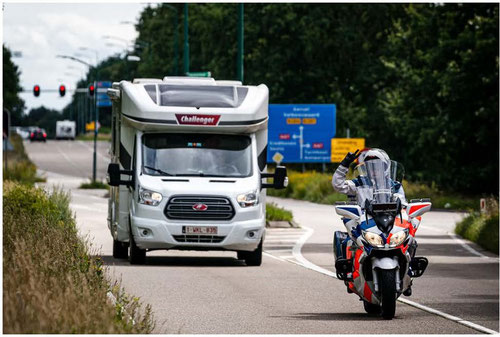
Foto: In Nederland zijn voor mensen met veel geld de boetes te laag om het ‘te voelen’, maar bij mensen met een laag inkomen kunnen ze juist financieel ontwrichtend werken. BEELD ROB ENGELAAR/ANP.
Iedereen herkent het wel. Rij je zelf netjes met honderd kilometer per uur over de A2, word je met 130 kilometer per uur ingehaald. Een overtreding die, eenmaal geflitst, goed is voor een boete van 364 euro. Je vraagt jezelf nog af: ‘Is die scheurende aso niet bang voor een boete?’ Nee, want dit bedrag is een godsvermogen voor de één, maar een fooi voor de ander. Of zoals Lil Kleine schreef bij een filmpje waarin hij een parkeerbon met zijn tanden kapotscheurde: ‘Boetes eet ik als ontbijt’.
In Nederland krijgt iedereen dezelfde boete en dat zorgt voor ongelijkheid, zegt hoogleraar recht en economie Giuseppe Dari-Mattiacci van de UvA, die de afgelopen jaren, samen met zijn Italiaanse collega-onderzoekers van de Universiteit van Napels, onderzoek deed naar de wereldwijde opmars van de dagboete. Dat is een geldstraf die is afgestemd op het inkomen. Iemand betaalt dan voor een overtreding een x-aantal dagen loon aan boete.
In Nederland zijn voor mensen met veel geld de boetes te laag om het ‘te voelen’, maar bij mensen met een laag inkomen kunnen ze juist financieel ontwrichtend werken, zegt Dari-Mattiacci. Als mensen hun boete niet betalen, dan komen daar weer aanmaningskosten bovenop. De schuld wordt hoger en zo komen mensen dieper in de ellende.
Aan de andere kant van de kloof heb je de scheurneus op de A2, die 130 kilometer per uur rijdt en de eventuele boetes voor lief neemt. “Mensen kopen het recht om hard te kunnen rijden, maar daarmee vergroten ze het risico op ongelukken voor anderen.”
Kortom: voor de één is de boete te laag, voor de ander veel te hoog. Als je de boete koppelt aan de dikte van de portemonnee, dan is dat eerlijker, volgens Dari-Mattiacci. In 22 procent van de landen wordt met dagboetes gestraft. In bijna heel Europa werken landen ermee, uitgezonderd Italië, Engeland, België én Nederland.
Er zijn steeds meer landen die het invoeren, blijkt uit de inventarisatie van Dari-Mattiacci. Finland (1921) en Zweden (1931) waren de eerste en in 2019 konden de laatste landen – Griekenland en Angola – aan de lijst van 43 landen met dagboetes worden toegevoegd. “Als landen eenmaal een dagboete hebben ingevoerd, draaien ze dat niet meer terug.”
Volgens de onderzoeker is er wel veel variatie in de hoogte van de dagboetes. De meeste landen hanteren een maximumbedrag en er zit ook veel variatie in de overtredingen waarvoor de dagboetes gelden. “Bij zwaardere misdrijven worden ze veel minder vaak ingezet. Vaak zijn het verkeersovertredingen.”
Wat bewoog u om dit onderzoek te doen?
“In de economie zie je sinds een jaar of tien, ook door de boeken van de Franse econoom Thomas Piketty, dat ongelijkheid een steeds urgenter onderwerp is. Voorheen dachten academici vooral: laten we de taart zo groot mogelijk maken en dan krijgt iedereen zijn eerlijke deel, maar dat is niet zo. We moeten niet alleen kijken hoe groot de taart is, maar ook hoe we die verdelen. Dat gebeurt in Nederland bijvoorbeeld via belastingen en toeslagen. Ik wil graag onderzoeken of het op andere manieren kan, bijvoorbeeld via dagboetes.”
In Finland kreeg in 2001 een ceo van Nokia een boete van 116.000 euro, omdat hij met zijn Harley Davidson 75 kilometer per uur reed, waar vijftig was toegestaan. Voordat rijke mensen een boete echt gaan voelen, moeten ze wel erg hoog zijn. Wat zou een goede balans zijn? Bijvoorbeeld een parkeerboete voor iemand die 30.000 euro verdient versus iemand die een salaris heeft van 150.000 euro?
“Ik heb een berekening gemaakt, waarbij ik de vaste lasten meereken, en dan kom ik uit op een boete die ongeveer drie keer zo hoog is: honderd euro versus driehonderd euro. Het idee erachter is dat iedereen een bedrag kwijt is aan vaste lasten: woonlasten, boodschappen, belastingen. Voor iedereen is dit bedrag anders, maar je kunt wel zeggen: dat geld is eigenlijk het meeste waard, omdat het echt nodig is. Hoe meer geld je extra hebt, hoe minder waarde dat heeft, want je hebt het niet echt nodig – alleen voor leuke dingen als vakanties. De eerste euro die je verdient, is heel belangrijk, maar de miljoenste heeft weinig toegevoegde waarde.”
Nederland is een van de weinige landen in Europa zonder dagboetes. Heeft u daar een verklaring voor?
“Voor zover ik weet is het in Nederland ook geen politiek thema. Misschien speelt mee dat verkeersveiligheid in Nederland een veel minder groot probleem is dan in bijvoorbeeld Italië. Daar kwam de invoering van de dagboetes afgelopen juni op de politieke agenda, nadat twee twintigers in een Lamborghini een vijfjarig kind hadden doodgereden. De verdenking is dat ze te hard reden.
Vooral rechtse partijen wilden daar de invoering van dagboetes, vanuit de wens om strenger te straffen en niet vanuit het argument van minder ongelijkheid. Uiteindelijk is het plan toch van tafel geveegd, omdat er in Italië geen goed werkend belastingsysteem is. Dat is wel een vereiste. Als in een land veel mensen zwart werken, dan kun je ook de boetes niet goed afstemmen op het inkomen. Mensen die hun verdiensten niet aan de belastingdienst opgeven, krijgen dan lagere boetes.”
Gepersonaliseerde boetes vergen veel administratie, want je moet eerst het inkomen opvragen voordat de boete kan worden verstuurd. Is dat voor landen een drempel?
“Je zit ook met de privacyregels en het kost natuurlijk veel meer werk en dus ook veel geld om boetes af te stemmen op het inkomen. Die afweging moet je maken. De verkeersveiligheid telt natuurlijk ook mee. In Nederland is al, met succes, veel geïnvesteerd in de infrastructuur om het veiliger te krijgen, maar je zou ook naar andere overtredingen kunnen kijken. Zouden dagboetes daar wel kunnen zorgen voor meer gelijkheid en minder overtredingen? In elk land ligt dat anders, maar het is zeker een goed idee om het op zijn minst te overwegen.”
Over de auteur: Malika Sevil werkt 25 jaar voor Het Parool. Ze schreef veel over gezondheidszorg, ook deed ze verslag van de coronacrisis. Sinds 2022 schrijft ze over kansenongelijkheid, armoede en de kloof.
https://www.parool.nl/nederland/hoger-inkomen-hogere-boete-volgt-nederland-de-rest-van-europa-zo-zorg-je-voor-minder-ongelijkheid~b9dd109d/