22% Translated
21% Upvoted
1 Translations, 2 Upvotes, Last Activity 3 hours ago
1 Translations, 2 Upvotes, Last Activity 3 hours ago
1 Translations, 1 Upvotes, Last Activity 3 hours ago
1 Translations, 0 Upvotes, Last Activity 3 hours ago
1 Translations, 1 Upvotes, Last Activity 3 hours ago
1 Translations, 1 Upvotes, Last Activity 2 hours ago
1 Translations, 1 Upvotes, Last Activity 2 hours ago
1 Translations, 1 Upvotes, Last Activity 2 hours ago
1 Translations, 1 Upvotes, Last Activity 2 hours ago
1 Translations, 1 Upvotes, Last Activity 2 hours ago
1 Translations, 1 Upvotes, Last Activity 2 hours ago
1 Translations, 1 Upvotes, Last Activity 2 hours ago
1 Translations, 1 Upvotes, Last Activity 2 hours ago
1 Translations, 1 Upvotes, Last Activity 2 hours ago
0 Translations, 0 Upvotes, Last Activity None
My wife and I built a tiny home in our 60s. The downsides are worth it to live mortgage-free.
Story by jzitser@businessinsider.com (Joshua Nelken-Zitser)
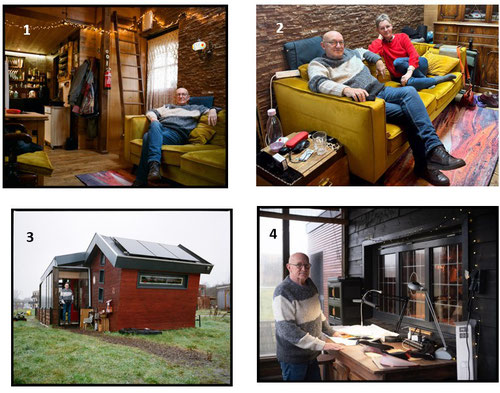
Photo 1 - Nico Bluigmars, © Samira Kafala for BI.
• Nico and Margareth Bluigmars sold their house in their 60s and used the money to build a tiny home.
• The couple said that although tiny living can be noisy, it never feels too small.
• Living mortgage-free has been the ultimate upside, they said.
This as-told-to essay is based on a conversation with Margareth Bluigmars, 64, and Nico Bluigmars, 68, a Dutch couple who live in a tiny home at Minitopia in Eindhoven, the Netherlands.
Nico: After our four children left home, we started thinking about selling our house and moving onto a houseboat.
Margareth: We like to live differently and we didn't need so much space anymore.
Nico: Then we discovered tiny homes on YouTube and thought to ourselves, "Yes, we could do that." We really liked the idea of building a home.
Margareth: With the kids gone, we realized it was our time again. So, in our 60s, we sold our house, put the money into building this, and have now lived in a tiny home for just over three years. We think it's a great option for people later in life.
Business Insider's Joshua Nelken-Zitser spent several nights in Minitopia, a tiny home village in the Netherlands.
This story is part of his series exploring how living in the villages has affected residents' careers, lives, and finances.
We like to live differently.
Nico: When we told our friends we wanted to move into a tiny home, nobody was surprised. They said it suited us.
Margareth: We don't know anyone else our age who has done this. We're really strange in that sense, but then again, we are the hippies of the group. We lived on a houseboat in the 1980s, and only left because it wasn't safe to live there with four children.
Nico: We put our house on the market in the middle of 2021, and started speaking to Minitopia about building a tiny home there. That August, we sold our house, which was only a couple of miles away, and moved into a trailer and caravan while we started construction.
The building work itself only took a few months, but we had to wait for permits and for the ground at Minitopia to be ready. In total, it cost us about 80,000 euros ($94,406), including underfloor heating, solar panels, and a heat pump. We moved into the home in August 2022.
It doesn't feel small.
Photo 2 - Nico Bluigmars, 68, and Margareth Bluigmars, 64, sold their house and built a tiny home, © Joshua Nelken-Zitser.
Margareth: I didn't find downsizing stressful or difficult. I actually found it relaxing. We gave away a lot. I love having less, getting rid of what we didn't need, and living somewhere smaller.
When we first moved in, our children were concerned the house might be too small to host Christmas. I told them, "You all have big houses with big tables and lots of chairs. What's the problem?"
Nowadays, they host Christmas, but I still end up cooking. That works fine.
Nico: It's still big enough for us to host dinners for six people. For me, it doesn't feel small.
Margareth: Nico even built a small area upstairs for our grandchildren to stay over.
I do get angry when people make jokes about how tiny our house is. It's our home, after all. I think it feels cozy. The house being smaller also makes life easier. Cleaning it takes an hour at most, and then I'm done.
There's a real sense of community, but some downsides.
Photo 3 - The Bluigmars have lived in their tiny home for three years, © Samira Kafala for BI
Margareth: There's a strong sense of community at Minitopia, which has about 100 tiny houses. We care for each other, and everybody knows each other well.
Nico: There's a picnic area on the site. In the summer, I'll put a message on the neighborhood app saying I've lit a fire and invite people over for a beer. Soon enough, 15 of us are there.
Our first year, in particular, was really sociable. We love the people and the community.
Margareth: One of the problems with tiny living is the noise. You rarely hear the neighbors, unless you're outside, but you always hear what the other person is doing inside the house. Nico now watches television with headphones on when I'm in bed.
Nico: If she's still in bed and I want to use the noisy coffee machine, I sometimes hesitate.
Financial freedom is the ultimate benefit.
Photo 4 - Bluigmars designed a section of the tiny home for his grandchildren, © Samira Kafala for BI.
Margareth: There are a few downsides, but the biggest upside is not having a mortgage. You can't get a mortgage on a tiny home in the Netherlands
Nico: We don't own the land; instead, we rent the ground from Minitopia for a monthly fee of about 350 euros. On top of that, we pay very little for power since we have solar panels and batteries to store energy. Our monthly costs total about 400 euros.
Margareth: We use considerably less water than we did in the house, and in general, it's far less expensive to run a tiny home than it was to run a house.
It feels really good not to have a mortgage. I often think that if everything were to go wrong in the world, if the economy were to collapse or we were to lose our pensions, we could still afford to stay here. For me, being mortgage-free has made me feel much more relaxed.
Nico: That's one of the many reasons I'd tell other retired people to go for it. When it comes to our tiny home, we have no regrets.
https://www.msn.com/en-us/money/realestate/my-wife-and-i-built-a-tiny-home-in-our-60s-the-downsides-are-worth-it-to-live-mortgage-free/ar-AA1YCg2q?ocid=msedgntp&pc=U531&cvid=69b5c11b49684fe5b72076e780a8dcd4&cvpid=260121efc0c44580e0f19af2261d38ca&ei=37
Pierre, it's a feature of the text's representation when the photo collection is displayed in landscape format. It stretches the text across the page width, leaving little room for the right-hand column.
by markvanroode 9 hours agoSorry, the right column is there after all. I have to use the scroll bar because it's off the screen.
by Oplusse 9 hours agoIt's probably just a bad screen setting.
Sorry.
Mark,
by Oplusse 9 hours agoOn my screen, only the left column (which takes up the entire width) is visible. The right column (translated version) isn't showing up.
Is this intentional?