100% Translated
0% Upvoted
1 Translations, 0 Upvotes, Last Activity 5 months, 2 weeks ago
1 Translations, 0 Upvotes, Last Activity 5 months, 2 weeks ago
1 Translations, 0 Upvotes, Last Activity 5 months, 2 weeks ago
1 Translations, 0 Upvotes, Last Activity 5 months, 2 weeks ago
1 Translations, 0 Upvotes, Last Activity 5 months, 2 weeks ago
1 Translations, 0 Upvotes, Last Activity 5 months, 2 weeks ago
1 Translations, 0 Upvotes, Last Activity 5 months, 2 weeks ago
1 Translations, 0 Upvotes, Last Activity 5 months, 1 week ago
1 Translations, 0 Upvotes, Last Activity 5 months, 1 week ago
1 Translations, 0 Upvotes, Last Activity 5 months, 1 week ago
1 Translations, 0 Upvotes, Last Activity 5 months, 1 week ago
1 Translations, 0 Upvotes, Last Activity 5 months, 1 week ago
1 Translations, 0 Upvotes, Last Activity 5 months, 1 week ago
1 Translations, 0 Upvotes, Last Activity 5 months, 1 week ago
1 Translations, 0 Upvotes, Last Activity 5 months, 1 week ago
1 Translations, 0 Upvotes, Last Activity 5 months, 1 week ago
1 Translations, 0 Upvotes, Last Activity 5 months, 1 week ago
1 Translations, 0 Upvotes, Last Activity 5 months, 1 week ago
1 Translations, 0 Upvotes, Last Activity 5 months, 1 week ago
1 Translations, 0 Upvotes, Last Activity 5 months, 1 week ago
1 Translations, 0 Upvotes, Last Activity 5 months, 1 week ago
1 Translations, 0 Upvotes, Last Activity 5 months, 1 week ago
1 Translations, 0 Upvotes, Last Activity 5 months, 1 week ago
1 Translations, 0 Upvotes, Last Activity 5 months, 1 week ago
1 Translations, 0 Upvotes, Last Activity 5 months, 1 week ago
1 Translations, 0 Upvotes, Last Activity 5 months, 1 week ago
1 Translations, 0 Upvotes, Last Activity 5 months, 1 week ago
1 Translations, 0 Upvotes, Last Activity 5 months, 1 week ago
1 Translations, 0 Upvotes, Last Activity 5 months, 1 week ago
1 Translations, 0 Upvotes, Last Activity 5 months, 1 week ago
1 Translations, 0 Upvotes, Last Activity 5 months, 1 week ago
1 Translations, 0 Upvotes, Last Activity 5 months, 1 week ago
1 Translations, 0 Upvotes, Last Activity 5 months, 1 week ago
1 Translations, 0 Upvotes, Last Activity 5 months, 1 week ago
1 Translations, 0 Upvotes, Last Activity 5 months, 1 week ago
1 Translations, 0 Upvotes, Last Activity 5 months, 1 week ago
1 Translations, 0 Upvotes, Last Activity 5 months, 1 week ago
1 Translations, 0 Upvotes, Last Activity 5 months, 1 week ago
1 Translations, 0 Upvotes, Last Activity 5 months, 1 week ago
Kan het kwaad als je alleen de zichtbare neusharen eruit trekt?
Neusharen die onderuit een neusgat piepen, dat wil bijna niemand. Maar pas op: als je ze niet op de juiste wijze verwijdert, kun je daar flinke ellende van krijgen.
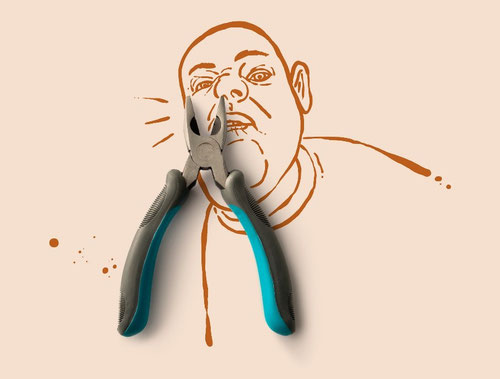
Foto - Bron Ted Struwer
Door Malika Sevil, nieuwsverslaggever van Het Parool. Ze schrijft veel over welvaart en gezondheid.
Het Parool, 7 april 2026.
Neusharen, charmant zijn ze niet. Maar Moeder Natuur heeft ze daar niet voor niets geplant, dus denk goed na voor je ze gaat plukken, scheren, trimmen, waxen of uittrekken. Neusharen hebben nut. Volgens kno-arts/rhinoloog en hoogleraar Sietze Reitsma van Amsterdam UMC zit die neus daar om de lucht te filteren, te verwarmen en te bevochtigen. “De neus is eigenlijk een actief afweerorgaan. Het zorgt dat schadelijke invloeden buiten blijven.”
Alles heeft een functie. “Kijk, neusharen zitten in het voorste stukje van de neus. Eigenlijk voordat de neusholte begint, direct achter of in je neusgaten. Dat stukje van je neus is aan de binnenkant ook nog met huid bekleed.” Die neusharen hebben de functie om vuil te filteren of tegen te houden. “En ook wel een beetje om een niesreflex op te wekken.”
Afvoervehikel.
Neusharen moeten ‘heel grof vuil’ tegenhouden, denk aan stof en zand. Voor het kleinere spul heeft de neus andere afweerreacties, zoals de aanmaak van snot. Dit slijm is een soort afvoervehikel voor bijvoorbeeld bacteriën en virussen. “Op een dag slikt een mens gemiddeld twee bekers snot door zonder dat hij het merkt.”
Maar terug naar de neusharen. Veel professionele neuswaxers beloven al van de diepere neusharen af te blijven, juist vanwege de filterfunctie. Maar kan het kwaad als je alleen de zichtbare haartjes eruit laat trekken? Allereerst, eigenlijk zitten de neusharen vooral in het zichtbare deel. Dieper in de neusholte begint het slijmvlies, waar geen haren groeien.
Vaak wordt dan de filterfunctie als risico genoemd, maar Reitsma denkt dat we in deze ‘relatief schone samenleving’ – “zonder zandstormen” – geen groot gezondheidsrisico lopen als we neusharen inkorten, maar dat zegt hij met een grote kanttekening. Want het maakt namelijk wel uit hoé je die neusharen verwijdert. Knippen en trimmen is oké, maar waxen of uittrekken niet.
Steenpuist.
Reitsma legt uit waarom. “Die neusharen zitten op het stukje van de neus waar nog huid groeit. Daar zitten ook bepaalde bacteriën.” Dus, als je een neushaar uittrekt of waxt en je trekt zo'n haartje er met wortel en al uit, dan komt daar een klein wondje met een holte eronder. Bacteriën vinden dat lekker.”
Dat kan een infectie veroorzaken. Dat klinkt nog steeds onschuldig, maar in de neus moet je daar toch mee oppassen, zegt Reitsma. “De neus heeft een superuitgebreide bloedvoorziening. Dat past ook bij de functie van de neus en bij het feit dat die centraal in het hoofd zit.” Als de verkeerde bacterie in zo’n holte kruipt – berucht is de staphylococcus aureus – kan daar een steenpuist ontstaan. “Dan kan die bacterie zich via de aders verspreiden naar de ruimte waar ook de hersenen zich bevinden. Dat heet dan een zogenoemde hematogene verspreiding, een verspreiding via de bloedbaan.” Hij wil mensen niet bang maken, want het is zeldzaam, maar als dit gebeurt, kun je daar heel ziek van worden en zelfs overlijden.
“Als we mensen met zo’n steenpuist in de neus zien, zijn we vrij agressief met het behandelen met antibiotica. We houden ook goed in de gaten dat het niet verergert. Als er nu een hele hype is waarbij iedereen al zijn neusharen eruit gaat trekken, denk ik dat we dit wel iets vaker zullen gaan zien. Dat zou ik toch liever niet hebben.”
“Dus als je mij vraagt: wat vind je van de hype om de neusharen te waxen of uit te trekken? Dan zeg ik: daar zou ik vanwege het infectierisico toch een beetje voorzichtig mee zijn. Koop een schaartje of een trimmer, dat lijkt me medisch gezien veiliger, esthetisch minstens zo verantwoord en ook minder pijnlijk. ‘Wie mooi wil zijn, moet pijn lijden’ hoeft niet altijd op te gaan.”
https://www.parool.nl/echt-waar/kan-het-kwaad-als-je-alleen-de-zichtbare-neusharen-eruit-trekt~bfec2338/