100% Translated
37% Upvoted
1 Translations, 1 Upvotes, Last Activity 8 months, 1 week ago
1 Translations, 1 Upvotes, Last Activity 8 months, 1 week ago
1 Translations, 1 Upvotes, Last Activity 8 months, 1 week ago
1 Translations, 1 Upvotes, Last Activity 8 months, 1 week ago
1 Translations, 1 Upvotes, Last Activity 8 months, 1 week ago
1 Translations, 1 Upvotes, Last Activity 8 months, 1 week ago
1 Translations, 1 Upvotes, Last Activity 8 months, 1 week ago
1 Translations, 1 Upvotes, Last Activity 8 months, 1 week ago
1 Translations, 1 Upvotes, Last Activity 8 months, 1 week ago
1 Translations, 1 Upvotes, Last Activity 8 months, 1 week ago
1 Translations, 1 Upvotes, Last Activity 8 months, 1 week ago
1 Translations, 0 Upvotes, Last Activity 8 months, 1 week ago
1 Translations, 0 Upvotes, Last Activity 8 months, 1 week ago
1 Translations, 0 Upvotes, Last Activity 8 months, 1 week ago
1 Translations, 0 Upvotes, Last Activity 8 months, 1 week ago
1 Translations, 0 Upvotes, Last Activity 8 months, 1 week ago
1 Translations, 0 Upvotes, Last Activity 8 months, 1 week ago
1 Translations, 0 Upvotes, Last Activity 8 months, 1 week ago
1 Translations, 0 Upvotes, Last Activity 8 months, 1 week ago
1 Translations, 0 Upvotes, Last Activity 8 months, 1 week ago
1 Translations, 0 Upvotes, Last Activity 8 months, 1 week ago
1 Translations, 0 Upvotes, Last Activity 8 months, 1 week ago
1 Translations, 0 Upvotes, Last Activity 8 months, 1 week ago
1 Translations, 0 Upvotes, Last Activity 8 months, 1 week ago
1 Translations, 0 Upvotes, Last Activity 8 months, 1 week ago
1 Translations, 0 Upvotes, Last Activity 8 months, 1 week ago
1 Translations, 0 Upvotes, Last Activity 8 months, 1 week ago
1 Translations, 0 Upvotes, Last Activity 8 months, 1 week ago
1 Translations, 0 Upvotes, Last Activity 8 months, 1 week ago
‘Wilhelmina wilde nazi’s ruilen voor Belgische koninklijke familie’.
Koningin Wilhelmina schoot in maart 1945 de Belgische koningin-moeder Elisabeth te hulp, die bang was dat koning Leopold III door de Duitsers zou worden geëxecuteerd.
Vincent Sondermeijer, nrc.nl, 30 april 2019
Geef cadeau Deel
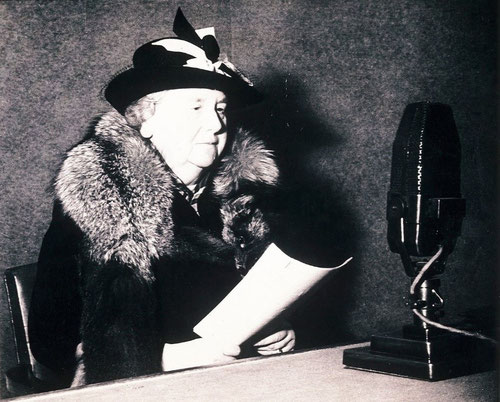
Koningin Wilhelmina tijdens een radiotoespraak vanuit Londen in augustus 1941. FOTO ANP.
Koningin Wilhelmina wilde aan het einde van de Tweede Wereldoorlog hooggeplaatste nazi’s laten ontsnappen. De bedoeling was dat de Duitsers in ruil daarvoor de in Oostenrijk vastgehouden Belgische koninklijke familie zouden vrijlaten. Via de toenmalige minister van Buitenlandse Zaken heeft Wilhelmina in maart 1945 geprobeerd het plan in gang te zetten.
Dat staat in de oorlogsdagboeken van de minister in kwestie, Eelco van Kleffens. De dagboeken verschijnen dinsdag in gebundelde vorm, in het boek Majesteit, U kent het werkelijke leven niet van historicus Michael Riemens.
De moeder van Leopold III, prinses Elisabeth, vroeg Wilhelmina om hulp. De oorlog liep op zijn einde en aangezien de Duitsers aan de verliezende hand waren, was Elisabeth bang dat zij Leopold III en zijn gezin zouden laten doodschieten. Het koninklijke gezelschap was tijdens de bezetting in België achtergebleven en werd tijdens het laatste jaar door de bezetter gevangengezet.
Voorwaarde.
Via het Rode Kruis hadden de Belgen al aan de Duitsers gevraagd ten minste de kinderen van Leopold via Zwitserland te laten vertrekken. Duitsland stond daarvoor open, en wilde ook Leopold zelf vrijlaten - mits Zwitserland ook zou meewerken aan een veilige aftocht van hoge nazi’s. Nederland boven de rivieren was begin 1945 nog altijd bezet gebied, terwijl België en grote delen van zuidelijk Nederland al door de geallieerden waren heroverd.
Wilhelmina verzocht minister Van Kleffens het Vaticaan te benaderen voor het regelen van de uitwisseling. Het Vaticaan was in de oorlog neutraal en kon vanuit die onafhankelijke positie soms zaken regelen.
Dat Wilhelmina meewerkte aan het plan is opmerkelijk, omdat zij normaal gesproken sterk anti-Duits was en ook weinig sympathie had voor het Vaticaan. Maar, zo schrijft Riemens, „Wilhelmina stamde uit de negentiende-eeuwse monarchie”, een tijd waarin het normaal was dat Europese vorstenhuizen elkaar onderling steunden. Niet voor niets lijkt Wilhelmina er aan het einde van de Eerste Wereldoorlog ook voor te hebben gezorgd dat de Duitse keizer Wilhelm II onderdak kreeg in Nederland.
Constitutionele crisis.
Het is onbekend hoe het uiteindelijk is afgelopen met Wilhelmina’s verzoek, zegt Riemens. Leopold en zijn gezin overleefden de oorlog, zij werden bevrijd door de Amerikanen. Nazikopstukken in Nederland zoals Arthur Seyss-Inquart werden opgepakt en berecht. Toch zijn er aanwijzingen dat er achter de schermen wel degelijk iets is gebeurd. Eind mei vroeg Wilhelmina de Nederlandse gezant in het Vaticaan „bijzondere dank te betuigen aan de paus voor zijn actie”, schrijft Riemens.
Na de oorlog werd Leopold III het middelpunt van een constitutionele crisis in België. Het werd hem nog altijd erg kwalijk genomen dat hij tijdens de Duitse inval in mei 1940 niet met de regering mee was gevlucht naar Londen. De ene helft van het land vond dat Leopold mocht aanblijven als koning, de andere helft vond dat hij moest opstappen. In juli 1951 trad Leopold uiteindelijk af.
https://www.nrc.nl/nieuws/2019/04/30/wilhelmina-wilde-nazis-ruilen-voor-belgische-koninklijke-familie-a3958593