100% Translated
3% Upvoted
1 Translations, 0 Upvotes, Last Activity 1 year, 2 months ago
1 Translations, 0 Upvotes, Last Activity 1 year, 2 months ago
1 Translations, 0 Upvotes, Last Activity 1 year, 2 months ago
1 Translations, 1 Upvotes, Last Activity 1 year, 2 months ago
1 Translations, 0 Upvotes, Last Activity 1 year, 2 months ago
1 Translations, 0 Upvotes, Last Activity 1 year, 2 months ago
1 Translations, 0 Upvotes, Last Activity 1 year, 2 months ago
1 Translations, 0 Upvotes, Last Activity 1 year, 2 months ago
1 Translations, 0 Upvotes, Last Activity 1 year, 2 months ago
1 Translations, 0 Upvotes, Last Activity 1 year, 2 months ago
1 Translations, 0 Upvotes, Last Activity 1 year, 2 months ago
1 Translations, 0 Upvotes, Last Activity 1 year, 2 months ago
1 Translations, 0 Upvotes, Last Activity 1 year, 2 months ago
1 Translations, 0 Upvotes, Last Activity 1 year, 2 months ago
1 Translations, 0 Upvotes, Last Activity 1 year, 2 months ago
1 Translations, 0 Upvotes, Last Activity 1 year, 2 months ago
1 Translations, 0 Upvotes, Last Activity 1 year, 2 months ago
1 Translations, 0 Upvotes, Last Activity 1 year, 2 months ago
1 Translations, 0 Upvotes, Last Activity 1 year, 2 months ago
1 Translations, 0 Upvotes, Last Activity 1 year, 2 months ago
1 Translations, 0 Upvotes, Last Activity 1 year, 2 months ago
1 Translations, 0 Upvotes, Last Activity 1 year, 2 months ago
1 Translations, 0 Upvotes, Last Activity 1 year, 2 months ago
1 Translations, 0 Upvotes, Last Activity 1 year, 2 months ago
1 Translations, 0 Upvotes, Last Activity 1 year, 2 months ago
1 Translations, 0 Upvotes, Last Activity 1 year, 2 months ago
1 Translations, 0 Upvotes, Last Activity 1 year, 2 months ago
1 Translations, 0 Upvotes, Last Activity 1 year, 2 months ago
1 Translations, 0 Upvotes, Last Activity 1 year, 2 months ago
1 Translations, 0 Upvotes, Last Activity 1 year, 2 months ago
1 Translations, 0 Upvotes, Last Activity 1 year, 2 months ago
1 Translations, 0 Upvotes, Last Activity 1 year, 2 months ago
1 Translations, 0 Upvotes, Last Activity 1 year, 2 months ago
1 Translations, 0 Upvotes, Last Activity 1 year, 2 months ago
1 Translations, 0 Upvotes, Last Activity 1 year, 2 months ago
1 Translations, 0 Upvotes, Last Activity 1 year, 2 months ago
1 Translations, 0 Upvotes, Last Activity 1 year, 2 months ago
1 Translations, 0 Upvotes, Last Activity 1 year, 2 months ago
1 Translations, 0 Upvotes, Last Activity 1 year, 2 months ago
1 Translations, 0 Upvotes, Last Activity 1 year, 2 months ago
1 Translations, 0 Upvotes, Last Activity 1 year, 2 months ago
1 Translations, 0 Upvotes, Last Activity 1 year, 2 months ago
1 Translations, 0 Upvotes, Last Activity 1 year, 2 months ago
1 Translations, 0 Upvotes, Last Activity 1 year, 2 months ago
1 Translations, 0 Upvotes, Last Activity 1 year, 2 months ago
1 Translations, 0 Upvotes, Last Activity 1 year, 2 months ago
1 Translations, 0 Upvotes, Last Activity 1 year, 2 months ago
1 Translations, 0 Upvotes, Last Activity 1 year, 2 months ago
1 Translations, 0 Upvotes, Last Activity 1 year, 2 months ago
1 Translations, 0 Upvotes, Last Activity 1 year, 2 months ago
1 Translations, 0 Upvotes, Last Activity 1 year, 2 months ago
1 Translations, 0 Upvotes, Last Activity 1 year, 2 months ago
1 Translations, 0 Upvotes, Last Activity 1 year, 2 months ago
1 Translations, 0 Upvotes, Last Activity 1 year, 2 months ago
1 Translations, 0 Upvotes, Last Activity 1 year, 2 months ago
1 Translations, 0 Upvotes, Last Activity 1 year, 2 months ago
1 Translations, 0 Upvotes, Last Activity 1 year, 2 months ago
1 Translations, 0 Upvotes, Last Activity 1 year, 2 months ago
1 Translations, 0 Upvotes, Last Activity 1 year, 2 months ago
1 Translations, 0 Upvotes, Last Activity 1 year, 2 months ago
1 Translations, 0 Upvotes, Last Activity 1 year, 2 months ago
1 Translations, 0 Upvotes, Last Activity 1 year, 2 months ago
1 Translations, 0 Upvotes, Last Activity 1 year, 2 months ago
1 Translations, 0 Upvotes, Last Activity 1 year, 2 months ago
1 Translations, 0 Upvotes, Last Activity 1 year, 2 months ago
1 Translations, 0 Upvotes, Last Activity 1 year, 2 months ago
1 Translations, 0 Upvotes, Last Activity 1 year, 2 months ago
1 Translations, 0 Upvotes, Last Activity 1 year, 2 months ago
1 Translations, 0 Upvotes, Last Activity 1 year, 2 months ago
1 Translations, 0 Upvotes, Last Activity 1 year, 2 months ago
1 Translations, 0 Upvotes, Last Activity 1 year, 2 months ago
1 Translations, 0 Upvotes, Last Activity 1 year, 2 months ago
1 Translations, 0 Upvotes, Last Activity 1 year, 2 months ago
1 Translations, 0 Upvotes, Last Activity 1 year, 2 months ago
1 Translations, 0 Upvotes, Last Activity 1 year, 2 months ago
1 Translations, 0 Upvotes, Last Activity 1 year, 2 months ago
1 Translations, 0 Upvotes, Last Activity 1 year, 2 months ago
1 Translations, 0 Upvotes, Last Activity 1 year, 2 months ago
1 Translations, 0 Upvotes, Last Activity 1 year, 2 months ago
1 Translations, 0 Upvotes, Last Activity 1 year, 2 months ago
1 Translations, 0 Upvotes, Last Activity 1 year, 2 months ago
1 Translations, 0 Upvotes, Last Activity 1 year, 2 months ago
1 Translations, 0 Upvotes, Last Activity 1 year, 2 months ago
1 Translations, 0 Upvotes, Last Activity 1 year, 2 months ago
1 Translations, 0 Upvotes, Last Activity 1 year, 2 months ago
1 Translations, 0 Upvotes, Last Activity 1 year, 2 months ago
1 Translations, 0 Upvotes, Last Activity 1 year, 2 months ago
1 Translations, 0 Upvotes, Last Activity 1 year, 2 months ago
1 Translations, 0 Upvotes, Last Activity 1 year, 2 months ago
Studenten verzetten zich tegen plan afschaffen traditioneel hospiteren: ‘Ik wil zelf bepalen wiens haar ik uit het doucheputje haal’.
ACHTERGROND.
Hospiteren Studenten zijn boos over het voornemen van huisvester DUWO om het traditionele hospiteersysteem af te schaffen. In studentensteden als Leiden klinkt veel kritiek: „Je kiest niet alleen een kamer, je kiest een thuis.”.
Auteur, Eline Nugteren, vanuit Leiden. Foto’s Simon Lenskens.
Gepubliceerd op 13 juli 2025.
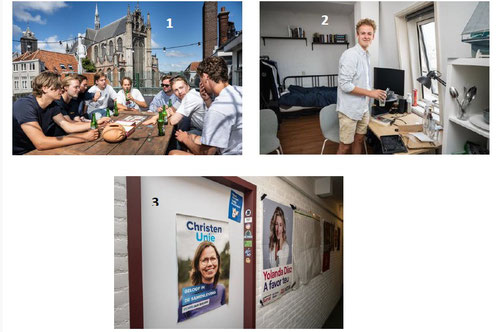
Afbeelding 1 - Bewoners van het studentenhuis waar leden van Minerva wonen, in het centrum van Leiden.
Voor het avondeten bidden Chris Noordzij (20) en zijn zeven huisgenoten samen aan tafel in hun studentenhuis in Leiden. Noordzij, student politicologie, is lijsttrekker van de ChristenUnie Leiden en lid van de christelijke studentenvereniging Navigators (NSL). Via die vereniging vond hij ook zijn huisgenoten. „Onze gedeelde levensovertuiging is wat ons huis tot een thuis maakt. We hebben een vergelijkbare levensstijl, gaan samen naar de kerk of naar lezingen en delen waarden die ons verbinden”, vertelt hij. „Dat voelt veilig. Maar nu zijn we allemaal bang dat die sociale veiligheid verdwijnt.”
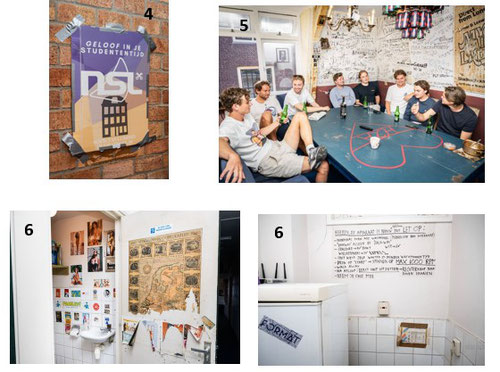
Afbeelding 2 - Student politicologie Chris Noordzij woont in een christelijk studentenhuis in Leiden.
Aanleiding voor zijn zorg is een landelijk beleidsvoornemen van studentenhuisvester DUWO, dat ruim 33.000 studentenwoningen beheert in steden als Leiden, Delft, Den Haag, Amsterdam en Utrecht. Vanaf 2026 wil DUWO het traditionele hospiteersysteem afschaffen. Studentenhuizen mogen dan niet langer zelf hun nieuwe huisgenoot kiezen. In plaats daarvan selecteert DUWO vijftien kandidaten per vrijkomende kamer op basis van ‘objectieve criteria’ – waarbij in elk geval géén rekening wordt gehouden met lidmaatschap van een studenten-, cultuur- sport- of geloofsvereniging. De zittende bewoners moeten verplicht een van die vijftien kandidaten kiezen.
Afbeelding 3 - Een poster van de ChristenUnie in het studentenhuis.
Volgens DUWO is het huidige hospiteersysteem „gesloten en ondoorzichtig”. Studenten zonder netwerk, al dan niet uit het buitenland, studenten met een migratieachtergrond, afkomstig van het mbo of eerste generatie-studenten zouden structureel op achterstand staan. „We willen gelijke kansen bieden in een tijd van woningschaarste”, zegt woordvoerder Gijsbert Mul. Veel kamers worden volgens hem via Facebook of WhatsApp verdeeld, „en niet iedereen weet waar hij moet zoeken”. Ook zouden er regelmatig teksten opduiken als ‘no internationals’. „Dat moet echt anders.”
Afbeelding 4 - Het christelijk studentenhuis van Chris Noordzij.
Verzet.
Het plan stuit op felle tegenstand, vooral in studentensteden als Leiden. Begin juni begon huurdersvereniging BRES een petitie die binnen een week meer dan vijfduizend keer werd ondertekend. „Onze achterban is duidelijk”, zegt Pim Lammers, bestuurslid van BRES. „77 procent vindt het huidige systeem eerlijk. Ze voelen zich compleet buitenspel gezet.” Donderdagavond stemde de gemeenteraad van Leiden in met twee moties van Studenten Voor Leiden (SVL) en D66 waarin de studentenhuisvester werd verzocht af te zien van het voorgenomen beleid.
Hoewel DUWO zegt het gesprek met studenten nog open te houden, heeft de huisvester de invoering van het nieuwe systeem al breder aangekondigd. „We zijn natuurlijk niet over één nacht ijs gegaan”, zegt woordvoerder Mul. Tegelijkertijd betwijfelen studenten hoeveel inspraak er nog mogelijk is, nu de plannen al vergevorderd lijken. „DUWO zegt dat ze nog in gesprek zijn, maar aan de manier waarop ze deze plannen presenteren zien wij dat het besluit eigenlijk al is genomen”, zegt Lammers.
Volgens Lammers is het plan van DUWO een fundamentele herziening van hoe studenten samenleven. „Vooral kleinere, alternatieve of religieuze verenigingen vallen of staan bij de huizen die ze hebben. Als je daar de controle over verliest, verlies je hun bestaansrecht.”
Je kiest niet alleen een kamer, je kiest een thuis. En dat kiest jou ook - Florian Gunning student fiscaal recht.
Vorige week donderdag organiseerde de huurdersvereniging een inspraakavond in een zaaltje van poppodium Nobel in Leiden met zo’n 250 studenten van verschillende verenigingen. De boodschap was eensgezind: studenten willen eigen huisgenoten kiezen. „Ik wil zelf bepalen wiens haar ik uit het doucheputje haal”, zei een student, waarop luid applaus volgde.
Vangnet
Ook Florian Gunning (26), student fiscaal recht en lid van de Leidse Studentenvereniging Minerva, maakt zich zorgen. Hij woont met veertien huisgenoten in een studentenhuis van de vereniging. Als eerstejaars kwam hij zonder netwerk uit Friesland naar Leiden. Toch werd hij uitgenodigd voor een hospiteeravond. „Ik kende niemand, was nerveus, maar het klikte meteen.” Die klik, zegt hij, is essentieel. „Je kiest niet alleen een kamer, je kiest een thuis. En dat kiest jou ook.”
In zijn derde jaar kreeg Gunning het lastig. „Ik zat echt niet lekker in m’n vel. Alles liep vast: mijn studie, mijn motivatie, ikzelf. En toen was het mijn huis dat me eruit trok.” Hij herinnert zich hoe huisgenoten hem uit zijn kamer haalden om mee te gaan naar de bibliotheek, hoe ze gesprekken voerden over zijn mentale gezondheid. „Dat is alleen mogelijk omdat we zorgvuldig kiezen wie bij ons past. Die vertrouwensband ontstaat niet zomaar.”
Afbeelding 5 - Bewoners van het door Minerva-leden bewoonde studentenhuis in de gemeenschappelijke ruimte.
Noordzij ziet dat ook in zijn christelijke huis. „In een tijd waarin studenten steeds meer onder hoge druk staan – prestatiedruk, eenzaamheid, mentale klachten – heb je een veilige basis nodig. Een plek waar je thuiskomt, en gezien wordt.”
Volgens Douwe Rutgers, bestuurslid bij Minerva, raakt het plan aan de kern van het studentenleven. „Studenten dreigen hun gevoel van verbondenheid kwijt te raken, terwijl dat juist is wat deze fase zo bijzonder maakt. Bovendien beperkt het de vrijheid om je op je eigen manier te verenigen.”
Samen musiceren.
Ook binnen culturele verenigingen leeft het onderwerp. Aedan Boender (22), geneeskundestudent en lid van muziekvereniging Collegium Musicum, woont met drie andere leden. „Ik kan niet beschrijven hoe bijzonder het is om op zo’n plek te wonen”, zegt hij. „We oefenen viool of piano op onze kamers, repeteren samen thuis. Tijdens het koken staat er klassieke muziek aan, en we praten over muziek. Het is heel vanzelfsprekend, maar dat is het eigenlijk niet.”
Boender noemt het een moeilijke ethische kwestie. „Natuurlijk hebben we als huis veel macht op een hospiteeravond, en misschien is dat niet altijd eerlijk. Maar het is wel de reden dat we hier samen kunnen spelen. Ik heb vrienden die zich thuis niet durven uitdrukken op hun instrument. Hier kan ik dagelijks oefenen. Als dit huis verdwijnt, dan komt er een einde aan decennia waarin CM’ers hier samenleefden en groeiden.”
80 procent van de studentenhuizen is verbonden aan een vereniging. Als je nergens lid bent, kom je nergens tussen - Philine Rienstra student en woningzoekende.
Voor sommige studenten klinkt het nieuwe systeem wel als een stap vooruit. Philine Rienstra (20), student aan de kunstacademie in Rotterdam, probeert al anderhalf jaar een kamer te vinden in Delft – zonder succes. „Ik wil heel graag in Delft wonen”, zegt ze. „Maar zeker 80 procent van de studentenhuizen is verbonden aan een vereniging. Als je nergens lid bent, kom je nauwelijks ergens tussen.”
Ze huurde drie keer tijdelijk onder bij verschillende huizen, maar voelde zich nergens welkom. „Ik zit op de kunstacademie, ik drink niet, en ik hoor er gewoon niet bij.” De zoektocht ervaart ze als uitzichtloos en stressvol. „Mijn vriend vond binnen een paar weken een kamer – hij zit bij een vereniging. Dan voel ik me echt buitengesloten.” Op een gegeven moment overwoog ze zelf lid te worden, niet uit overtuiging maar uit noodzaak. „Puur om kans te maken op een kamer. Dat ik dat serieus overwogen heb, vind ik eigenlijk belachelijk.”
Ze hoopt dat DUWO het plan doorzet. „Voor mensen zoals ik zou dat eindelijk een kans zijn om op een eerlijke manier ergens tussen te komen. Dat je niet hoeft te doen alsof je iemand bent die je niet bent.”
Afbeelding 6 - Het studentenhuis waar Minerva-leden wonen.
‘Handschoenen uit’.
Ook tijdens de inspraakavond vorige week donderdag klonk begrip voor DUWO’s beweegredenen. „Het systeem is óók scheef”, zei een student. „Maar moet je daarvoor álle huizen over één kam scheren? Waarom begin je niet met nieuwe woningen, in plaats van bestaande tradities op te breken?”
„DUWO stuurt terecht aan op eerlijkheid, maar offert daarmee wel de sociale samenhang op”, zei een ander. „Is er niet een betere balans te vinden?” In de zaal ontstond een levendige discussie over alternatieven. Sommigen opperden het oprichten van een stichting om panden zelf aan te kopen. Anderen spraken over het schrijven van persoonlijke brieven of het benaderen van Tweede Kamerleden. „We moeten laten zien wat er achter elke voordeur op het spel staat”, zei een student. „Hoe persoonlijker het verhaal, hoe beter.”
Ook protest werd op tafel gelegd. Een aanwezige stelde voor om tijdens het Landelijk Congres Studentenhuisvesting op 4 september massaal te gaan protesteren. „Er komt een punt dat de handschoenen uitgaan”, zei Lammers. „En dat punt komt steeds dichterbij.”
https://www.nrc.nl/nieuws/2025/07/13/studenten-verzetten-zich-tegen-plan-afschaffen-hospiteren-ik-wil-zelf-bepalen-wiens-haar-ik-uit-het-doucheputje-haal-a4900051