100% Translated
87% Upvoted
1 Translations, 1 Upvotes, Last Activity 1 year, 6 months ago
1 Translations, 1 Upvotes, Last Activity 1 year, 6 months ago
1 Translations, 1 Upvotes, Last Activity 1 year, 6 months ago
1 Translations, 1 Upvotes, Last Activity 1 year, 6 months ago
1 Translations, 1 Upvotes, Last Activity 1 year, 6 months ago
1 Translations, 1 Upvotes, Last Activity 1 year, 6 months ago
1 Translations, 1 Upvotes, Last Activity 1 year, 6 months ago
1 Translations, 1 Upvotes, Last Activity 1 year, 6 months ago
1 Translations, 1 Upvotes, Last Activity 1 year, 6 months ago
1 Translations, 1 Upvotes, Last Activity 10 months, 2 weeks ago
1 Translations, 1 Upvotes, Last Activity 1 year, 6 months ago
1 Translations, 1 Upvotes, Last Activity 1 year, 6 months ago
1 Translations, 1 Upvotes, Last Activity 1 year, 6 months ago
1 Translations, 1 Upvotes, Last Activity 1 year, 6 months ago
1 Translations, 1 Upvotes, Last Activity 1 year, 6 months ago
1 Translations, 1 Upvotes, Last Activity 1 year, 6 months ago
1 Translations, 1 Upvotes, Last Activity 1 year, 6 months ago
1 Translations, 1 Upvotes, Last Activity 1 year, 6 months ago
1 Translations, 1 Upvotes, Last Activity 1 year, 6 months ago
1 Translations, 1 Upvotes, Last Activity 10 months, 2 weeks ago
1 Translations, 1 Upvotes, Last Activity 10 months, 2 weeks ago
1 Translations, 1 Upvotes, Last Activity 1 year, 6 months ago
1 Translations, 1 Upvotes, Last Activity 1 year, 6 months ago
1 Translations, 1 Upvotes, Last Activity 1 year, 6 months ago
1 Translations, 1 Upvotes, Last Activity 10 months, 2 weeks ago
1 Translations, 1 Upvotes, Last Activity 1 year, 6 months ago
1 Translations, 1 Upvotes, Last Activity 1 year, 6 months ago
1 Translations, 1 Upvotes, Last Activity 1 year, 6 months ago
1 Translations, 1 Upvotes, Last Activity 1 year, 6 months ago
1 Translations, 1 Upvotes, Last Activity 1 year, 6 months ago
1 Translations, 1 Upvotes, Last Activity 10 months, 2 weeks ago
1 Translations, 1 Upvotes, Last Activity 10 months, 2 weeks ago
1 Translations, 1 Upvotes, Last Activity 1 year, 6 months ago
1 Translations, 1 Upvotes, Last Activity 1 year, 6 months ago
2 Translations, 1 Upvotes, Last Activity 1 year, 6 months ago
1 Translations, 1 Upvotes, Last Activity 1 year, 6 months ago
1 Translations, 1 Upvotes, Last Activity 10 months, 2 weeks ago
1 Translations, 1 Upvotes, Last Activity 1 year, 6 months ago
1 Translations, 1 Upvotes, Last Activity 1 year, 6 months ago
1 Translations, 1 Upvotes, Last Activity 1 year, 6 months ago
1 Translations, 1 Upvotes, Last Activity 1 year, 6 months ago
1 Translations, 0 Upvotes, Last Activity 3 hours ago
1 Translations, 1 Upvotes, Last Activity 1 year, 6 months ago
2 Translations, 1 Upvotes, Last Activity 1 year, 6 months ago
1 Translations, 0 Upvotes, Last Activity 3 hours ago
1 Translations, 1 Upvotes, Last Activity 1 year, 6 months ago
1 Translations, 1 Upvotes, Last Activity 1 year, 6 months ago
1 Translations, 1 Upvotes, Last Activity 1 year, 6 months ago
1 Translations, 1 Upvotes, Last Activity 1 year, 6 months ago
1 Translations, 1 Upvotes, Last Activity 1 year, 6 months ago
1 Translations, 1 Upvotes, Last Activity 3 hours ago
1 Translations, 1 Upvotes, Last Activity 9 months, 3 weeks ago
1 Translations, 1 Upvotes, Last Activity 9 months, 3 weeks ago
1 Translations, 1 Upvotes, Last Activity 9 months, 3 weeks ago
1 Translations, 1 Upvotes, Last Activity 9 months, 3 weeks ago
1 Translations, 1 Upvotes, Last Activity 3 hours ago
1 Translations, 1 Upvotes, Last Activity 9 months, 3 weeks ago
1 Translations, 1 Upvotes, Last Activity 9 months, 3 weeks ago
1 Translations, 1 Upvotes, Last Activity 9 months, 3 weeks ago
1 Translations, 1 Upvotes, Last Activity 9 months, 3 weeks ago
1 Translations, 1 Upvotes, Last Activity 9 months, 3 weeks ago
1 Translations, 1 Upvotes, Last Activity 9 months, 3 weeks ago
1 Translations, 1 Upvotes, Last Activity 9 months, 3 weeks ago
1 Translations, 1 Upvotes, Last Activity 9 months, 3 weeks ago
1 Translations, 1 Upvotes, Last Activity 9 months, 3 weeks ago
1 Translations, 1 Upvotes, Last Activity 9 months, 3 weeks ago
1 Translations, 1 Upvotes, Last Activity 9 months, 3 weeks ago
1 Translations, 1 Upvotes, Last Activity 9 months, 3 weeks ago
1 Translations, 0 Upvotes, Last Activity 3 hours ago
1 Translations, 0 Upvotes, Last Activity 3 hours ago
1 Translations, 1 Upvotes, Last Activity 9 months, 3 weeks ago
1 Translations, 1 Upvotes, Last Activity 9 months, 3 weeks ago
1 Translations, 1 Upvotes, Last Activity 9 months, 3 weeks ago
1 Translations, 1 Upvotes, Last Activity 9 months, 3 weeks ago
1 Translations, 1 Upvotes, Last Activity 9 months, 3 weeks ago
1 Translations, 0 Upvotes, Last Activity 3 hours ago
1 Translations, 1 Upvotes, Last Activity 3 hours ago
1 Translations, 0 Upvotes, Last Activity 3 hours ago
1 Translations, 1 Upvotes, Last Activity 3 hours ago
1 Translations, 1 Upvotes, Last Activity 3 hours ago
1 Translations, 0 Upvotes, Last Activity 3 hours ago
1 Translations, 1 Upvotes, Last Activity 3 hours ago
1 Translations, 1 Upvotes, Last Activity 9 months, 3 weeks ago
1 Translations, 1 Upvotes, Last Activity 9 months, 3 weeks ago
1 Translations, 1 Upvotes, Last Activity 9 months, 3 weeks ago
1 Translations, 1 Upvotes, Last Activity 9 months, 3 weeks ago
1 Translations, 1 Upvotes, Last Activity 9 months, 3 weeks ago
1 Translations, 1 Upvotes, Last Activity 9 months, 3 weeks ago
1 Translations, 1 Upvotes, Last Activity 9 months, 3 weeks ago
1 Translations, 1 Upvotes, Last Activity 9 months, 3 weeks ago
1 Translations, 1 Upvotes, Last Activity 9 months, 3 weeks ago
1 Translations, 1 Upvotes, Last Activity 9 months, 3 weeks ago
1 Translations, 1 Upvotes, Last Activity 9 months, 3 weeks ago
1 Translations, 1 Upvotes, Last Activity 9 months, 3 weeks ago
1 Translations, 1 Upvotes, Last Activity 9 months, 3 weeks ago
1 Translations, 1 Upvotes, Last Activity 9 months, 3 weeks ago
1 Translations, 1 Upvotes, Last Activity 9 months, 3 weeks ago
1 Translations, 1 Upvotes, Last Activity 9 months, 3 weeks ago
1 Translations, 1 Upvotes, Last Activity 3 hours ago
1 Translations, 1 Upvotes, Last Activity 3 hours ago
1 Translations, 0 Upvotes, Last Activity 3 hours ago
1 Translations, 1 Upvotes, Last Activity 3 hours ago
1 Translations, 1 Upvotes, Last Activity 3 hours ago
1 Translations, 0 Upvotes, Last Activity 3 hours ago
1 Translations, 1 Upvotes, Last Activity 3 hours ago
1 Translations, 0 Upvotes, Last Activity 2 hours ago
1 Translations, 0 Upvotes, Last Activity 2 hours ago
1 Translations, 1 Upvotes, Last Activity 1 year, 6 months ago
1 Translations, 1 Upvotes, Last Activity 2 hours ago
1 Translations, 0 Upvotes, Last Activity 1 year, 6 months ago
1 Translations, 0 Upvotes, Last Activity 1 year, 6 months ago
1 Translations, 0 Upvotes, Last Activity 1 year, 6 months ago
1 Translations, 0 Upvotes, Last Activity 1 year, 6 months ago
1 Translations, 0 Upvotes, Last Activity 1 year, 6 months ago
1 Translations, 1 Upvotes, Last Activity 9 months, 3 weeks ago
1 Translations, 1 Upvotes, Last Activity 9 months, 3 weeks ago
1 Translations, 1 Upvotes, Last Activity 9 months, 3 weeks ago
1 Translations, 1 Upvotes, Last Activity 9 months, 3 weeks ago
1 Translations, 1 Upvotes, Last Activity 9 months, 3 weeks ago
1 Translations, 1 Upvotes, Last Activity 9 months, 3 weeks ago
1 Translations, 1 Upvotes, Last Activity 9 months, 3 weeks ago
1 Translations, 1 Upvotes, Last Activity 9 months, 3 weeks ago
Er is maar één logische uitkomst: met wind moet Nederland verder – REPORTAGE.
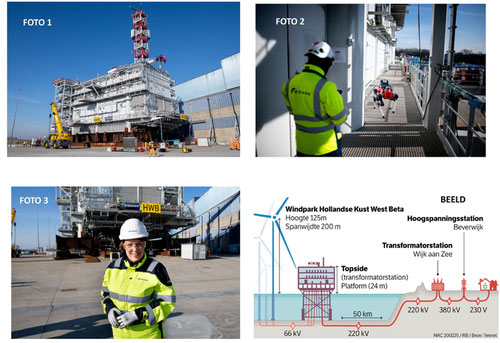
Foto 1 - Windenergie - Gigantische ‘stekkerdozen’ op zee kunnen straks de stroom van tientallen windmolens uiterst efficiënt verwerken en aan land brengen. Maar de kosten stijgen en de windsector slaat alarm: de politiek moet helpen.
Door Chris Hensen - Fotografie Katrijn Van Giel.
nrc.nl, 21 februari 2025.
Het transformatorplatform van Tennet in Hoboken, Antwerpen. Het wordt ook wel een ‘stekkerdoos’ genoemd.
Op de werf van technisch dienstverlener Equans in Hoboken, een district van Antwerpen, staat een ‘stekkerdoos’ van bijzonder formaat: het apparaat is bijna 25 meter hoog, meer dan vijftig meter lang en weegt 3.900 ton. En hij kost een paar honderd miljoen euro.
Het gaat hier dan ook om een zogenoemd ‘transformatorplatform’ dat netbeheerder Tennet heeft laten bouwen om stroom van windparken op zee naar land te brengen. Aan de onderkant van het enorme gevaarte, dat over een paar maanden op een kilometer of vijftig voor de kust van Egmond aan Zee komt te staan, worden de kabels van tientallen windmolens erin ‘geprikt’.
Vandaar de vergelijking met een stekkerdoos, die de Tennet-top zelf vaak gebruikt. Al vinden de vaklieden die het platform hebben gebouwd dat dan weer wat oneerbiedig geformuleerd. „Er gaat een hoop techniek in zo’n ding, hoor”, zegt een van hen. Op het transformatorplatform wordt alle verzamelde windstroom naar een hoger spanningsniveau gebracht, zodat het vervolgens snel en efficiënt naar het vasteland kan worden getransporteerd.
Het platform ziet eruit als een nieuwe auto die op een vrachtwagen staat op weg naar de dealer. Alles zit nog in de folie, zelfs de brandblussers, en overal zijn relingen afgeplakt om ervoor te zorgen dat er geen krasjes op de nieuwe lak komen.
„Het schilderwerk alleen al kost een miljoen euro”, vertelt Annemarie Taris, die bij Tennet over de aansluiting van windparken op zee op nieuwe transformatorplatforms gaat. „Dus je wilt niet dat er op het laatste moment nog veel beschadigd raakt. Al het schilderwerk dat je buitengaats moet bijwerken, kost drie keer zo veel. Want je moet alles, de schilders en de spullen, daar met schepen naartoe brengen.”
Taris leidt, in gele overall en met witte veiligheidshelm op, enthousiast rond langs alle bijzondere plekken van het platform. Inclusief de controlekamer, de ruimte van waaruit de stroomkabels weer het platform uitgaan richting het vasteland („de verlengsnoeren naar de wal”) en het ‘verbrandingstoilet’ – vanwege de natuur mag je geen ontlasting lozen op zee. De transformatorruimte noemt ze het „hart” van het platform. „Het is magisch wat hier gebeurt.”
Ze is trots. Dit transformatorplatform is het laatste in een serie van zeven die Tennet heeft laten bouwen. De platforms moeten een bijdrage leveren aan een duurzamere energievoorziening van Nederland. Tweeënhalf jaar heeft ze er samen met 100 tot 150 collega’s met ziel en zaligheid aan gewerkt. En nu is het nagenoeg af. Op tijd en binnen budget.
Het is ook een belofte voor de toekomst, zeggen ze bij Tennet. Want als het aan de netbeheerder ligt, komen er nog veel meer van dit soort megastekkerdozen bij. Sterker, ze zijn al gereserveerd, zegt een woordvoerder. Veertien in totaal dit keer. En ook nog eens veel grotere. De volgende platforms kunnen 2 gigawatt (2.000 megawatt) aan windstroom verwerken, drie keer zoveel als de huidige. „Ze zijn net zo groot als een voetbalstadion”, illustreert de woordvoerder. Het is een project waar enkele tientallen miljarden euro’s mee gemoeid zijn.
Bij Tennet geloven ze dat windenergie de toekomst heeft. Het zou de beste manier zijn om de stroomvoorziening te vergroenen, en om tegelijkertijd onafhankelijk te worden van andere landen op energiegebied. Windenergie is, dankzij de Noordzee, uitbundig voorradig. En je kunt het daar ook nog eens gemakkelijk ‘oogsten’. De Noordzee is relatief ondiep en rustig, dus je kunt er goed bouwen. En het waait er veel. Bij Tennet voorspellen ze dat windstroom over vijf jaar goed is voor driekwart van het stroomverbruik.
Donkere wolken.
Maar uitgerekend nu pakken donkere wolken zich samen boven de windenergiesector. Veel bouwers van windparken, zoals Eneco, Vattenfall, Orsted, Shell en Engie, zijn de laatste maanden huiverig geworden om nog meer geld te steken in nieuwe projecten. Een belangrijke aanbestedingsronde later dit jaar dreigt daardoor te mislukken. In Denemarken, het walhalla van de windsector, is recent zelfs een aanbesteding afgeblazen vanwege gebrek aan animo.
De windmolenbouwers wijzen op hun beurt op een ‘verslechterd verdienmodel’. Het bouwen van windparken is in korte tijd veel duurder geworden, vanwege schaarste aan van alles en nog wat (materialen en mensen) en hoge rentes.
Tegelijkertijd willen de klanten geen hogere prijzen betalen – als ze al stroom willen hebben. Het is de zware industrie waar veel van de windmolenbouwers op mikken, maar daar aarzelt men weer met de verduurzaming van de productieprocessen (elektrificeren in dit geval). Mede omdat dit miljarden aan investeringen vergt.
Het is een nogal dramatische ommekeer ten opzichte van hoe het er nog maar een paar jaar geleden aan toeging. Toen was wind een van de grote succesverhalen van de energietransitie. Het ging zelfs zo goed dat er op een gegeven moment geen subsidies meer aan te pas hoefden te komen.
Foto 2 - Demonstratie van een robothond die op afstand inspecties uit gaat voeren.
Maar nu is de klad er toch weer ingekomen. Je zou kunnen zeggen dat de sector slachtoffer is geworden van zijn eigen succes. Er wordt dankzij al die nieuwe windparken op zee nu soms zoveel windstroom tegelijk geproduceerd, dat er een overschot ontstaat en stroomprijzen negatief worden. In dat geval moeten producenten bijbetalen.
Het zijn wolken die óók de plannen van Tennet bedreigen – en uiteindelijk de verdere verduurzaming van Nederland, als je Tennet mag geloven.
Zonder nieuwe windparken hebben de stekkerdozen van Tennet weinig zin. De veertien gereserveerde exemplaren zijn nu nog niet allemaal ‘afgedekt’ met windparken, erkent een woordvoerder. Tot de definitieve bouw daarvan moet nog besloten worden. Om te beginnen bij die aanbestedingsrondes.
Pijnlijk detail: de reden dat Tennet nu in één keer veertien platforms tegelijk heeft gereserveerd, en niet eerst een paar en later nog een aantal, is omdat het bij de bouw van de afgelopen serie wel ‘in stapjes’ was gedaan, maar de laatste platforms vervolgens veel duurder bleken dan de eerste. Omdat de prijzen in de tussentijd fiks waren gestegen.
Onafhankelijkheid.
Voor Tennet zijn de ontwikkelingen reden alarm te slaan. Topvrouw Manon van Beek, die ook aanwezig was in Hoboken, waarschuwde daar dat Nederland „het momentum niet moet verliezen” als het gaat om de overgang naar een schonere energievoorziening.
Volgens haar zit de windsector in „een impasse”. Niet alleen doordat de vraag uit de industrie achterblijft, maar ook doordat de elektrificatie van de transportsector stokt. Overal in Europa worden subsidies op elektrische auto’s nu weer ingetrokken. Ook in Nederland. De transportsector is een grote stroomafnemer.
Het momentum vasthouden is volgens haar juist nu ongelooflijk belangrijk. Van Beek refereerde, in aanwezigheid van door Tennet uitgenodigde Europarlementariërs, expliciet aan de geopolitieke turbulentie van de afgelopen weken, waarbij de nieuwe Amerikaanse regering van president Trump in feite tegen Europa zegt: zoeken jullie het zelf maar uit.
De politieke discussie is daardoor in sneltreintempo gekanteld naar: is de EU wel in staat voor zichzelf te zorgen? De Tennet-baas meent dat het veiligstellen van een eigen energievoorziening – met zeewind in dit geval – een cruciale pijler is onder onafhankelijkheid. „Het gaat nu veel over meer investeren in een eigen, Europese defensie”, aldus Van Beek. „Maar eigenlijk zijn transformatorplatforms ook defensieprojecten.”
Van Beek pleit er daarom voor dat de overheid alles uit de kast haalt om de windsector te helpen. Ze vraagt onder andere om meer financiële steun voor de windmolenparkbouwers, en voor de industrie die de stroom uiteindelijk moet afnemen.
Concreet wil Van Beek dat de overheid garanties afgeeft dat als de stroomprijs onder een bepaald, niet meer rendabel niveau komt, zij het verschil ‘bijpast’. Zodat exploitanten toch voldoende geld kunnen verdienen. (En als de stroomprijs juist heel hoog wordt, moet de overheid weer geld terugkrijgen.)
Foto 3 - Topvrouw van Tennet, Manon van Beek, was ook aanwezig in Hoboken.
Daarnaast wil ze dat de overheid alles op alles zet om tot meer ‘maatwerkafspraken’ te komen met grote industriebedrijven. De maatwerkafspraak is het beleidsinstrument waarmee de overheid die bedrijven wil stimuleren om sneller te verduurzamen. De overheid belooft daarbij financiële steun in ruil voor extra vergroeningsinspanningen.
Maar tot nu toe komen die afspraken nauwelijks van de grond. Er is vooralsnog slechts met één bedrijf een harde afspraak gemaakt. De industriebedrijven zeggen dat de regelingen niet aantrekkelijk genoeg zijn.
Nieuwe subsidies voor de zeewindsector zouden een ommekeer zijn. Eentje die de economische logica in zekere zin ook tart. De sector begon ooit met subsidies, net zoals veel nieuwe, innovatieve sectoren. Maar hij werd daarna al snel zo succesvol dat die subsidies niet meer nodig waren. Zoals het ‘hoort’ dus. Nu is er volgens Tennet echter opnieuw noodzaak toe.
Het is ook een politiek gevoelig verzoek. Coalitiepartijen BBB en PVV hebben grote moeite met windmolens. Volgens de BBB zitten ze vissers en boeren (bij molens op land) in de weg en de PVV vindt klimaatverandering onzin.
De VVD is nu de grootste voorstander van windenergie. Bij sommige groepen in de samenleving roepen windmolens ronduit haat op. De bijpas-steun waar Van Beek voor pleit kan op papier ook heel duur worden voor de overheid.
Korting op het nettarief.
Dat Tennet zelf een rol speelt in de problematiek, beseffen ze bij Tennet ook. De investeringen die de netbeheerder in het stroomnet doet, onder andere dus in stekkerdozen, moeten worden terugverdiend via de ‘nettarieven’: de tarieven die klanten betalen voor gebruik van het net. Met die investeringen zijn tientallen miljarden euro’s gemoeid.
Dat betekent dat de nettarieven de komende jaren flink zullen stijgen, zegt Tennet – tot wel 5 procent per jaar. De ‘gewone’ stroomkosten zijn in Nederland nu al veel hoger dan in België, Duitsland, China en de VS, klagen industriebedrijven. Hogere nettarieven helpen daarbij niet.
Maar Tennet zegt dat het daar niets aan kan veranderen. Dit is nu eenmaal de manier waarop netuitbreidingen al jaren worden bekostigd, en die manier werkt goed, vindt Tennet. Financiering door de staat, een optie waarover sommige politici praten, vindt Tennet „minder voorspelbaar”, aldus de woordvoerder. Tennet heeft overigens recent nog wel een nieuwe contractvorm ingevoerd, waarbij klanten korting op het nettarief kunnen krijgen in ruil voor minder leveringszekerheid.
De beste route is volgens Tennet de totale stroomkosten meer ‘in lijn’ met andere landen te brengen, door bijvoorbeeld grootverbruikers opnieuw en nog meer te compenseren voor bepaalde ‘indirecte’ stroomkosten. Emissierechten die stroomproducten moeten kopen en doorberekenen aan klanten, in dit geval.
Deze compensatie (IKC-ETS) is omstreden, omdat critici er een ‘fossiele subsidie’ in zien. Stroom wordt immers ook met gascentrales geproduceerd. In 2023 werd ze tijdelijk niet uitgekeerd. Afgelopen jaar gebeurde dat wel weer, maar voor komende tijd is er nog geen duidelijkheid. Minister Sophie Hermans (Klimaat en Groene Groei, VVD) zal bij de Voorjaarsnota duidelijk maken wat zij wil. In de sector wordt reikhalzend naar dit moment uitgekeken.
Beeld -Stekkerdoos schema.
De Europese Commissie lijkt open te staan voor de ‘bijpas’-maatregelen die Van Beek wil, alhoewel dat in principe een vorm van staatssteun is. Het ‘onafhankelijkheidsvraagstuk’ leeft op dit moment ook sterk in Brussel. Maar tegelijk groeit daar de politieke weerstand tegen extra verduurzamingsinspanningen, waardoor het afwachten is.
Voor de windsector zijn het dus spannende tijden. ‘Aansluitingsmanager’ Annemarie Taris blijft hoopvol in Hoboken. De ‘politiek’, daar moeten de bazen maar over beslissen. Maar kijkend naar de megastekkerdoos waar ze de afgelopen jaren mee bezig is geweest, is er volgens haar maar één logische uitkomst: met wind moet Nederland verder.
„Het is schoon, oneindig en als de infrastructuur eenmaal gebouwd is, kost het vrijwel niks om stroom op te wekken.” Nederland moet deze kans niet laten liggen, wil ze maar zeggen.
https://www.nrc.nl/nieuws/2025/02/21/er-is-maar-een-logische-uitkomst-met-wind-moet-nederland-verder-a4883979