100% Translated
0% Upvoted
1 Translations, 0 Upvotes, Last Activity 3 years, 6 months ago
1 Translations, 0 Upvotes, Last Activity 3 years, 6 months ago
1 Translations, 0 Upvotes, Last Activity 3 years, 6 months ago
1 Translations, 0 Upvotes, Last Activity 3 years, 6 months ago
1 Translations, 0 Upvotes, Last Activity 3 years, 6 months ago
1 Translations, 0 Upvotes, Last Activity 3 years, 6 months ago
1 Translations, 0 Upvotes, Last Activity 3 years, 6 months ago
1 Translations, 0 Upvotes, Last Activity 3 years, 6 months ago
1 Translations, 0 Upvotes, Last Activity 3 years, 6 months ago
1 Translations, 0 Upvotes, Last Activity 3 years, 6 months ago
1 Translations, 0 Upvotes, Last Activity 3 years, 6 months ago
1 Translations, 0 Upvotes, Last Activity 3 years, 6 months ago
1 Translations, 0 Upvotes, Last Activity 3 years, 6 months ago
1 Translations, 0 Upvotes, Last Activity 3 years, 6 months ago
1 Translations, 0 Upvotes, Last Activity 3 years, 6 months ago
1 Translations, 0 Upvotes, Last Activity 3 years, 6 months ago
1 Translations, 0 Upvotes, Last Activity 3 years, 6 months ago
1 Translations, 0 Upvotes, Last Activity 3 years, 6 months ago
1 Translations, 0 Upvotes, Last Activity 3 years, 6 months ago
1 Translations, 0 Upvotes, Last Activity 3 years, 6 months ago
1 Translations, 0 Upvotes, Last Activity 3 years, 6 months ago
1 Translations, 0 Upvotes, Last Activity 3 years, 6 months ago
1 Translations, 0 Upvotes, Last Activity 3 years, 6 months ago
1 Translations, 0 Upvotes, Last Activity 3 years, 6 months ago
1 Translations, 0 Upvotes, Last Activity 3 years, 6 months ago
1 Translations, 0 Upvotes, Last Activity 3 years, 6 months ago
1 Translations, 0 Upvotes, Last Activity 3 years, 6 months ago
1 Translations, 0 Upvotes, Last Activity 3 years, 6 months ago
1 Translations, 0 Upvotes, Last Activity 3 years, 6 months ago
1 Translations, 0 Upvotes, Last Activity 3 years, 6 months ago
1 Translations, 0 Upvotes, Last Activity 3 years, 6 months ago
1 Translations, 0 Upvotes, Last Activity 3 years, 6 months ago
1 Translations, 0 Upvotes, Last Activity 3 years, 6 months ago
1 Translations, 0 Upvotes, Last Activity 3 years, 6 months ago
1 Translations, 0 Upvotes, Last Activity 3 years, 6 months ago
1 Translations, 0 Upvotes, Last Activity 3 years, 6 months ago
1 Translations, 0 Upvotes, Last Activity 3 years, 6 months ago
1 Translations, 0 Upvotes, Last Activity 3 years, 6 months ago
1 Translations, 0 Upvotes, Last Activity 3 years, 6 months ago
1 Translations, 0 Upvotes, Last Activity 3 years, 6 months ago
1 Translations, 0 Upvotes, Last Activity 3 years, 6 months ago
1 Translations, 0 Upvotes, Last Activity 3 years, 6 months ago
1 Translations, 0 Upvotes, Last Activity 3 years, 6 months ago
1 Translations, 0 Upvotes, Last Activity 3 years, 6 months ago
THE OBSERVER - Comment expliquer Thanksgiving aux Français ?
En 1952, un jeune journaliste américain décide d'éclairer la lanterne des Français sur les origines de la fête de Thanksgiving. L’œil malicieux et la langue bien pendue, il remplit sa mission.
Par Anthony Bulger, France-Amérique, 23 novembre 2021.
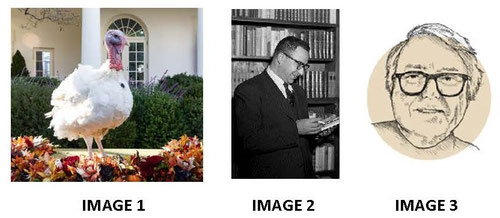
Image 1.
Art Buchwald, qui deviendra plus tard un éditorialiste et humoriste de renom, lauréat du Prix Pulitzer, est alors tout jeune journaliste à Paris. Grâce à son talent, son acharnement et une bonne dose de culot, Buchwald persuade le rédacteur en chef du Herald Tribune – l’édition européenne du New York Herald – de lui confier une chronique sur les événements culturels et les charmantes excentricités de sa ville d’adoption. Ses articles sont si populaires qu’Art Buchwald devient la coqueluche américaine de la Ville Lumière.
Image 2 - Le journaliste américain Art Buchwald en 1953.
Sa chronique de Thanksgiving, « Le Merci Donnant », parue en 1952, jette les bases de sa réputation. Habilement, Buchwald part du principe que puisque les Américains dégustent le même met tous les quatrième jeudis de novembre, il peut facilement réutiliser son papier pour accompagner cette dinde et sa garniture. Les années suivantes, il en modifie le titre (« Une dinde à la sauce française » ou « Le Grand Thanksgiving ») et y ajoute une introduction, affirmant, par exemple, que le texte a été dévoilé en 1621 par un ponte de la colonie de Plymouth. Autre version : ce sont les confessions d’un sergent en colère de la Légion étrangère. Ou une tentative de s’attaquer au taux de change entre le franc et le dollar. Mieux encore, un coup de pub de l’Association des éleveurs de dinde américains.
Malgré ces petites envolées fantaisistes, le corps du texte restera inchangé pendant 50 ans. Art Buchwald a toujours considéré « Le Merci Donnant » comme sa pièce maîtresse, qui nous fait encore rire aujourd’hui. Lisez la suite et découvrez pourquoi.
Le Merci Donnant.
One of our most important holidays is Thanksgiving Day, known in France as le Jour de Merci Donnant.
Le Jour de Merci Donnant was first started by a group of Pilgrims (Pèlerins) who fled from l’Angleterre before the McCarran Act to found a colony in the New World (le Nouveau Monde) where they could shoot Indians (les Peaux-Rouges) and eat turkey (dinde) to their hearts’ content.
They landed at a place called Plymouth (now a famous voiture Américaine) in a wooden sailing ship called the Mayflower (or Fleur de Mai) in 1620. But while the Pèlerins were killing the dindes, the Peaux-Rouges were killing the Pélerins, and there were several hard winters ahead for both of them. The only way the Peaux-Rouges helped the Pélerins was when they taught them to grow corn (maïs). The reason they did this was because they liked corn with their Pélerins.
In 1623, after another harsh year, the Pélerins’ crops were so good that they decided to have a celebration and give thanks because more maïs was raised by the Pélerins than Pélerins were killed by Peaux-Rouges.
Every year on the Jour de Merci Donnant, parents tell their children an amusing story about the first celebration.
It concerns a brave capitaine named Miles Standish (known in France as Kilomètres Deboutish) and a young, shy lieutenant named Jean Alden. Both of them were in love with a flower of Plymouth called Priscilla Mullens (no translation). The vieux capitaine said to the jeune lieutenant: “Go to the damsel Priscilla (allez très vite chez Priscilla), the loveliest maiden of Plymouth (la plus jolie demoiselle de Plymouth). Say that a blunt old captain, a man not of words but of action (un vieux Fanfan la Tulipe), offers his hand and his heart, the hand and heart of a soldier. Not in these words, you know, but this, in short, is my meaning.
“I am a maker of war (je suis un fabricant de la guerre) and not a maker of phrases. You, bred as a scholar (vous, qui êtes pain comme un étudiant), can say it in elegant language, such as you read in your books of the pleadings and wooings of lovers, such as you think best adapted to win the heart of the maiden.”
Although Jean was fit to be tied (convenable à être emballé), friendship prevailed over love and he went to his duty. But instead of using elegant language, he blurted out his mission. Priscilla was muted with amazement and sorrow (rendue muette par l’étonnement et la tristesse).
At length she exclaimed, interrupting the ominous silence: “If the great captain of Plymouth is so very eager to wed me, why does he not come himself and take the trouble to woo me?” (Où est-il, le vieux Kilomètres? Pourquoi ne vient-il pas auprès de moi pour tenter sa chance ?)
Jean said that Kilomètres Deboutish was very busy and didn’t have time for those things. He staggered on, telling what a wonderful husband Kilomètres would make. Finally, Priscilla arched her eyebrows and said in a tremulous voice: “Why don’t you speak for yourself, Jean?” (Chacun a son goût.)
And so, on the fourth Thursday in November, American families sit down at a large table brimming with tasty dishes and, for the only time during the year, eat better than the French do.
No one can deny that le Jour de Merci Donnant is a grande fête and no matter how well-fed American families are, they never forget to give thanks to Kilomètres Deboutish, who made this great day possible.
Image 3 – Anthony Bulger.
Né en Angleterre, Tony Bulger a travaillé comme directeur pédagogique en Californie et réside en France depuis 40 ans. Auteur, journaliste, traducteur et professeur de langues (anglais, français), il s'intéresse à tout avec une prédilection pour la littérature, la musique, le cinéma, le vin, la bonne chère et les plaisanteries mordantes.
https://france-amerique.com/fr/thanksgiving-une-dinde-a-la-sauce-francaise/